
You spent good money on clothes you love, so why do they start looking worn after just a few washes? Most of the time, it's not the fabric's fault. It comes down to how to care for clothes on a daily basis, from the way you wash them to where you store them. Small, repeated mistakes add up fast, and before you know it, your favorite top has lost its shape, color, or softness.
At JudyP Apparel, we design our microfiber-spandex blend tops, tunics, and dresses to hold up beautifully over time, they're wrinkle-resistant, machine washable, and built to last. But even the highest-quality garments benefit from a little know-how. Proper care isn't complicated; it just takes a few intentional habits most people overlook.
This article breaks down five straightforward clothing care habits that protect your wardrobe and keep your pieces looking fresh wear after wear. Whether you're maintaining a closet full of JudyP favorites or just trying to get more life out of everything you own, these tips will help you stop replacing and start preserving.
1. Wash microfiber-spandex blend on cold and gentle
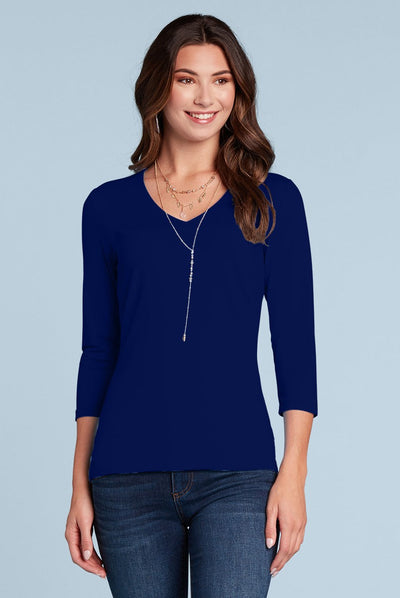
microfiber-spandex blend is remarkably easy to maintain, but it responds poorly to heat and aggressive washing conditions. The fabric's fiber structure is smooth and tightly woven, which means high temperatures and rough cycles can break it down over time, leading to pilling, shrinkage, or a rougher feel against your skin. Getting the wash right from day one keeps every piece performing exactly as it should. For example, maintaining a delicate, timeless staple like the Deborah 3/4 Sleeve V-Neck Top under these perfect wash rules guarantees its silky drape lasts for years.
Pick the right cycle and water temperature
Set your machine to cold water and the gentle or delicate cycle every time you wash microfiber-spandex blend. Cold water protects the fiber structure and prevents shrinkage, while the gentle cycle reduces the mechanical friction that stresses fabric over repeated washes. A warm or hot wash might feel more thorough, but it actually does more harm than good on natural cellulosic fibers like microfiber-spandex blend. This is especially true for relaxed styles like the Karen Relaxed Fit 3/4 Sleeve V-Neck Top, where low friction keeps the casual waist silhouette perfectly structured.
Cold water and a gentle cycle are the two most protective settings you can choose for microfiber-spandex blend garments wash after wash.
Choose the right detergent and skip fabric softener
Use a mild, liquid detergent formulated for delicates or fine fabrics. Powder detergents can leave residue trapped in the fibers, and harsh formulas strip the natural softness that makes microfiber-spandex blend so comfortable. Skip fabric softener entirely; it coats the fibers and reduces the moisture-wicking performance your JudyP pieces are specifically designed to deliver.
Here is a quick reference for what to use and avoid:
| What to use | What to skip |
|---|---|
| Mild liquid detergent | Powder detergent |
| Cold water | Warm or hot water |
| Gentle or delicate cycle | Normal or heavy-duty cycle |
| Mesh laundry bag | Loose wash with heavy items |
Handle JudyP Apparel pieces to prevent wear
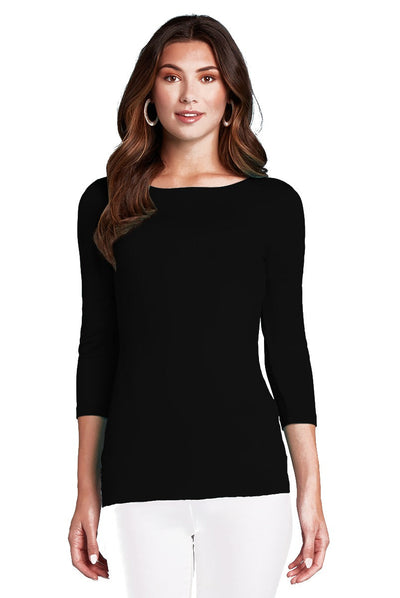
Once the cycle finishes, remove your pieces promptly rather than letting them sit wet in the drum. Wet fabric left bunched up can stretch out of shape and develop an unpleasant smell. Give each piece a gentle shake to release the shape before moving it to dry, and never wring or twist the fabric, which puts direct stress on the seams and distorts the silhouette. Clean boatneck lines on designs like the Sabrina Boatneck 3/4 Sleeve Top retain their sharp geometry beautifully when treated to a light pre-dry shake instead of aggressive twisting.
2. Air out and spot clean before you wash
One of the most overlooked parts of how to care for clothes is knowing when not to wash at all. Washing too frequently breaks down fibers faster than almost anything else, so limiting unnecessary wash cycles protects your wardrobe long term.
Freshen clothes between wears without the washer
Hang your clothes to air out for at least 30 minutes after each wear to release light odors and moisture. Smooth wrinkles by hand while the fabric breathes, and most pieces will be ready to wear again without any machine time at all. Padded layers or double-front items like the popular Pamela Scoop Neck 3/4 Sleeve Double Layer Top refresh beautifully with a simple airing out, as the dual layers are engineered to resist deep-set wrinkles naturally.
- Hang near an open window for fresh airflow
- Avoid direct sunlight to protect color
Spot treat stains fast so they do not set
Act on any stain immediately. Blot with a clean cloth, apply a small amount of mild liquid detergent to the spot, and rinse with cold water before the stain bonds to the fiber.
Treating a stain within the first few minutes is the difference between a quick fix and a permanent mark.
Know when you actually need a full wash
Reserve the machine for items with visible soil or strong odor. Light wear on moisture-wicking microfiber-spandex blend, like your JudyP tops and tunics, rarely needs more than a good air out.
When you wash less often, each cycle is more effective and your clothes show far less fiber fatigue over time.
3. Prep your laundry to prevent fading and snags
How you load the machine matters as much as the settings you choose. A few quick prep steps before every wash protect your clothes from avoidable damage like color bleed, snags, and uneven wear.
Sort by color, fabric weight, and soil level
Separate your laundry into lights, darks, and brights to prevent dye transfer, and keep heavy fabrics like denim away from delicates like your microfiber-spandex blend tops. Washing heavily soiled items with lightly worn pieces is also worth avoiding, since dirtier water circulates back onto cleaner garments.
Sorting takes less than two minutes and prevents damage that no amount of rewashing will fix.
Turn items inside out and close zippers and hooks
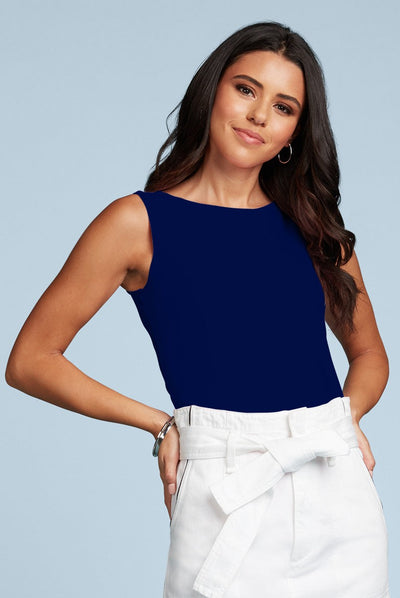
Flip every garment inside out before it goes in the drum to protect the outer surface from friction and preserve color vibrancy. Close all zippers, hooks, and snaps so they cannot catch on surrounding fabric during the cycle. This step is critical for preserving clean, minimalist essentials like the sleeveless Christina Boatneck Sleeveless Shell, shielding its smooth front profile from rough internal abrasions.
Use mesh bags and avoid overloading the machine
Place your microfiber-spandex blend and delicate pieces inside a mesh laundry bag for an added layer of protection against agitation. Keep the drum no more than three-quarters full so clothes move freely and rinse completely.
4. Dry with low heat or air dry to protect fibers
Drying is where most fabric damage actually happens, even when your wash cycle was perfect. Heat breaks down fibers, causes shrinkage, and dulls color over repeated cycles, so the way you dry your clothes directly determines how long they hold their shape, softness, and fit.
Remove items promptly and reshape while damp
Pull your microfiber-spandex blend pieces out of the machine as soon as the cycle ends. While the fabric is still damp, gently smooth and reshape each garment by hand to restore the original silhouette before it dries in a distorted position. Lightweight foundational pieces, such as the Stephanie Scoop Neck Tank Top, flatten out beautifully with simple fingertip smoothing when damp.
Choose air drying for longevity and fit
Laying items flat on a clean, dry surface or hanging them on a padded hanger is the gentlest drying method for any garment. Air drying protects fiber integrity and color vibrancy far better than any dryer setting can, and it keeps the fit true to size wash after wash.
Air drying is the single most effective step you can take to extend the life of your favorite pieces.
Use the dryer only when it helps and do it safely
If you use the dryer, always select the lowest heat setting available. Remove your JudyP Apparel pieces while still slightly damp and let them finish air drying flat to prevent over-drying, which stiffens the fabric and puts stress on seams. Longer, high-coverage garments like the elegant Sandra V-Neck 3/4 Sleeve Tunic benefit enormously from this low-heat, hybrid drying cycle to secure the flowy drape of its side-slits.
5. Store and rotate clothes so they keep their shape
Storage is the final piece of how to care for clothes properly, and most people skip past it entirely. The way you hang, fold, and rotate your wardrobe between wears has a direct impact on how well your pieces hold their shape over months and years.
Hang structured pieces and fold stretch knits
Use padded or shaped hangers for woven tops, dresses, and any garment with a defined shoulder seam. Fold your stretch knits and microfiber-spandex blend pieces flat in a drawer instead, since hanging them stretches the fabric downward and distorts the fit over time.
Prevent wrinkles, shoulder bumps, and stretched collars
Give each garment enough space in your closet so pieces aren't packed tight against each other, which causes permanent creasing and shoulder bumps. Never hang a garment by its collar or neckline; always support the full shoulder area to maintain the original silhouette.
A little space in your closet protects the shape of every piece hanging inside it.
Store seasonal items clean, dry, and protected
Always wash or air out seasonal clothing before putting it away for months. Store items in breathable cotton garment bags or sealed bins to keep them dust-free and protected from moisture without trapping humidity inside.
Keep your favorites looking new
Knowing how to care for clothes properly comes down to five consistent habits: wash on cold and gentle, air out before you wash, prep your laundry, dry with low heat, and store pieces with intention. None of these steps require extra time or expensive products, just a little attention paid in the right places at the right moments.
Your clothes reflect the care you put into them. When you wash less aggressively, dry more gently, and store pieces correctly, you get more wears, more value, and a wardrobe that stays sharp instead of fading after a season. The effort you invest now pays off every time you pull out a top that still looks and feels like new.
Ready to build a wardrobe worth protecting? Browse the full collection at JudyP Apparel and find comfortable, lasting pieces designed to reward exactly this kind of care.
Protect and Maintain Your Luxury Essentials:
- Keep the timeless Deborah 3/4 Sleeve V-Neck Top ($94.00) fluid and smooth with gentle care.
- Protect the relaxed structure of the Karen Relaxed Fit 3/4 Sleeve V-Neck Top ($99.00) on a delicate wash.
- Maintain the geometric collar of the Sabrina Boatneck 3/4 Sleeve Top ($94.00) by avoiding twists.
- Air out the protective double-front Pamela Scoop Neck 3/4 Sleeve Double Layer Top ($94.00) between wears.
- Preserve the smooth seams of the sleeveless Christina Boatneck Sleeveless Shell ($88.00) inside-out.
- Reshape the featherlight Stephanie Scoop Neck Tank Top ($84.00) while still damp.
- Dry the extended-length Sandra V-Neck 3/4 Sleeve Tunic ($112.00) using low heat hybrid settings.
Shop Our Easy-Care Premium microfiber-spandex blend Favorites
Deborah 3/4 Sleeve V-Neck Top
$94.00
Karen Relaxed Fit 3/4 Sleeve V-Neck Top
$99.00
Sabrina Boatneck 3/4 Sleeve Top
$94.00
Pamela Scoop Neck 3/4 Sleeve Top
$94.00
Christina Boatneck Sleeveless Shell
$88.00
Stephanie Scoop Neck Tank Top
$84.00
Sandra V-Neck 3/4 Sleeve Tunic
$112.00