
You invest in quality clothing that fits well and feels great against your skin. But even the finest fabrics can lose their softness, shape, and color when laundered incorrectly. Understanding the best way to wash clothes isn't complicated, it just requires knowing a few key techniques that protect your garments while getting them truly clean.
At JudyP Apparel, we design our microfiber-spandex blend tops, tunics, and dresses to be easy-care and machine washable. Still, we know that proper laundering makes all the difference in how long your favorites last and how good they continue to look and feel. This guide walks you through sorting, machine settings, hand-washing methods, and drying techniques that deliver a deep clean without unnecessary wear.
What you need before you start
Having the right supplies ready before you begin makes laundry day faster and more effective. You don't need a long shopping list, but gathering a few essential items ensures you can handle everything from everyday cleaning to stubborn stains. Taking five minutes to set up your workspace prevents mid-cycle interruptions and helps you maintain focus on proper technique.
Essential laundry supplies
You need laundry detergent that matches your washing machine type. High-efficiency (HE) machines require HE detergent because it produces fewer suds and rinses out more completely. Regular detergent works in traditional top-loaders, but using HE detergent in any machine always works. Choose a mild, liquid detergent for delicate fabrics like microfiber-spandex blend, silk, or wool, as powder detergents can leave residue or fail to dissolve completely in cold water.
Stock up on stain removers appropriate for different fabric types. An enzyme-based spray works well for protein stains like blood or grass, while an oxygen-based powder tackles color stains from wine or berries. Keep white vinegar in your laundry area as a natural fabric softener and odor eliminator. Add half a cup to the rinse cycle instead of commercial softeners that can coat fibers and reduce breathability.
Proper detergent selection prevents residue buildup that dulls colors and stiffens fabrics over time.
Your laundry basket needs at least two sorting compartments so you can separate lights and darks as you undress. Having mesh laundry bags in multiple sizes protects delicate items, keeps sock pairs together, and prevents straps or embellishments from snagging other clothes. A color catcher sheet in each load catches loose dye and prevents color bleeding, especially useful when washing new garments.
Optional tools that make the job easier
A stain brush with soft bristles helps you work pretreating products into fabric without damaging fibers. Look for one with a grip that feels comfortable in your hand since you'll use it frequently. Keep a small spray bottle filled with diluted detergent (one tablespoon detergent per cup of water) for quick spot treatments between washes.
Invest in a retractable drying rack if you regularly hand-wash or line-dry garments. These fold flat for storage and provide plenty of space for air-drying sweaters, workout clothes, and delicates. Wool dryer balls reduce drying time and static without the chemicals found in dryer sheets. They also soften clothes naturally by bouncing between items and keeping them separated.
A garment steamer removes wrinkles more gently than an iron and refreshes clothes between washes. This tool extends the time between launderings for items that aren't truly dirty but need a quick refresh. For those following the best way to wash clothes, reducing wash frequency when possible actually preserves fabric quality longer.
Set up your workspace
Clear a flat, clean surface near your washing machine for sorting and pretreating. A folding table or countertop works perfectly for this prep area. Good lighting helps you spot stains and read care labels accurately, so add a lamp if your laundry room feels dim.
Place all your supplies within arm's reach of both the washer and your prep surface. This organization prevents you from leaving wet clothes sitting in the machine while you search for the right product. Keep your care label guide handy, whether printed and posted on the wall or saved as a photo on your phone. You'll reference it frequently as you sort different fabrics and determine proper wash settings.
Fill a small bucket or basin with cold water if you plan to hand-wash any items. Having this ready saves time and reduces the temptation to skip proper technique when you're rushed.
Step 1. Read labels and sort to prevent damage
Reading care labels and sorting your laundry properly prevents color bleeding, fabric damage, and shrinkage before clothes even touch water. This step takes only a few minutes but saves you from ruined garments and wasted money. The best way to wash clothes starts with understanding what each item needs, then grouping similar pieces together for consistent care.
Decode care label symbols
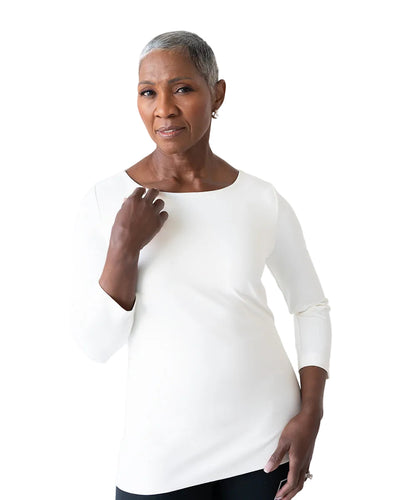
Care labels contain five key symbol categories that tell you exactly how to launder each garment. The wash tub icon shows water temperature and cycle type, with numbers inside indicating maximum Fahrenheit (or dots for cold, warm, hot). A triangle represents bleaching instructions, while the square addresses drying methods and a circle indicates dry cleaning needs. The iron symbol appears last, showing safe ironing temperatures. For high-quality staples that keep laundering clear and predictable, our classic Juliet Jewel Neck Long Sleeve Top includes easy-to-follow care protocols right on the tag.
| Symbol Type | What It Tells You | Common Variations |
|---|---|---|
| Wash Tub | Water temperature, cycle type | Hand wash, machine wash, do not wash |
| Triangle | Bleach safety | Non-chlorine only, no bleach |
| Square | Drying method | Tumble dry, line dry, lay flat |
| Circle | Dry cleaning | Professional care needed |
| Iron | Heat settings | Low, medium, high, do not iron |
Care labels provide manufacturer-tested instructions that protect your investment in quality clothing.
Sort by color and fabric type
Start by creating three color piles: whites, lights, and darks. Your white pile includes anything pure white or off-white that you want to keep bright. Light colors like pastels, yellows, and light grays go together since they won't bleed significantly. Dark colors need their own group because items like new jeans, deep reds, and blacks release dye during washing.
Next, separate by fabric weight and type within each color group. Heavy items like towels and jeans need longer, more vigorous cycles than delicate blouses or workout clothes. Pull out anything labeled "hand-wash only" or "delicate" into a separate pile regardless of color. Check pockets, zip all zippers, and turn printed or embellished items inside out to protect surfaces from abrasion.
Create your sorted piles
You should end up with four to six sorted groups ready for washing. Your typical loads include whites (towels and sheets), whites (delicate), lights, darks (sturdy), darks (delicate), and hand-wash items. Keeping loads to these categories prevents damage and allows you to customize water temperature and agitation for each fabric type.
Place each sorted pile in mesh bags or separate baskets to keep them organized while you pretreat stains. This system prevents you from accidentally mixing a red shirt into your white load when you're distracted or rushing.
Step 2. Pretreat stains and choose the right products
Pretreating stains before washing removes them more effectively than washing alone, especially for oil-based marks, protein stains, and set-in discoloration. Acting quickly gives you the best results, but even old stains respond to proper treatment when you select products that match both the stain type and fabric composition. The best way to wash clothes includes this critical preparation step that prevents stains from setting permanently during the wash cycle.
Match stain removers to fabric types
Different fabrics require specific stain treatments to avoid damage while lifting marks effectively. Delicate materials like microfiber-spandex blend, silk, and wool need enzyme-free, pH-neutral products that won't weaken fibers or cause color fading. These gentle formulas work slower but protect your investment in quality garments.
Cotton and synthetic blends tolerate stronger stain removers including enzyme-based sprays and oxygen bleach powders. Enzyme products break down protein stains like blood, sweat, and grass by using biological catalysts that target specific molecules. Oxygen bleach (sodium percarbonate) lifts color stains from coffee, wine, and berries without the harsh effects of chlorine bleach.
Matching your stain treatment to fabric type prevents damage that harsh chemicals can cause to delicate materials.
| Fabric Type | Safe Stain Removers | Products to Avoid |
|---|---|---|
| microfiber-spandex blend, silk, wool | Mild liquid detergent, white vinegar | Chlorine bleach, strong enzymes |
| Cotton, linen | Enzyme spray, oxygen bleach, rubbing alcohol | Chlorine bleach on colors |
| Synthetic blends | Dish soap for grease, hydrogen peroxide | Acetone, harsh solvents |
Apply pretreatment correctly
Start by blotting fresh stains immediately with a clean, white cloth to remove excess liquid or solid matter. Never rub fresh stains because friction pushes the substance deeper into fabric fibers and spreads the affected area. Work from the outside edges toward the center to prevent the stain from spreading outward.
Apply your chosen stain remover by dabbing or spraying directly onto the mark, then gently work it into the fabric using your fingers or a soft-bristled brush. Let enzyme products sit for 10 to 15 minutes before washing, while oxygen bleach treatments need 30 minutes to an hour for maximum effectiveness. Check the treated area after sitting but before washing, as some stains need a second application.
For oil-based stains like salad dressing or makeup, apply a small amount of dish soap directly to the dry fabric before wetting it. Dish soap cuts through grease more effectively than laundry detergent. Rinse the treated area with cool water to check if the stain has lifted, then proceed with machine washing using your sorted loads from Step 1.
Step 3. Wash for a deep clean with less wear
Proper washing technique balances thorough cleaning with fabric preservation, ensuring your clothes emerge fresh without unnecessary damage. The best way to wash clothes involves selecting appropriate water temperatures, loading your machine correctly, and using the right amount of detergent for each load. These decisions directly impact how clean your garments get and how long they maintain their original quality.
Select water temperature and cycle settings
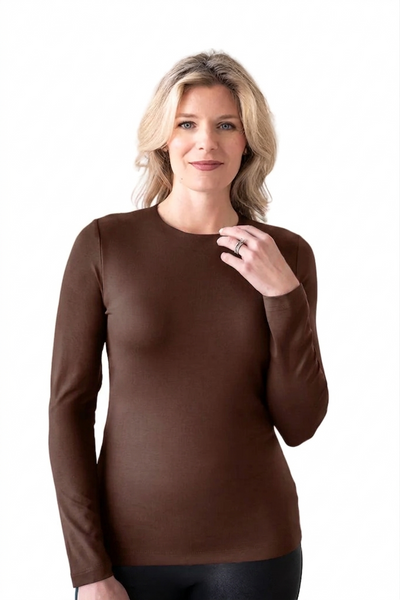
Cold water works for most everyday laundry and prevents colors from fading or bleeding. Use cold water (60-80°F) for darks, bright colors, delicate fabrics like microfiber-spandex blend, and lightly soiled items. This temperature saves energy while effectively removing common dirt and odors when paired with quality detergent formulated for cold-water washing. High-comfort garments like our double-front Jackie Turtleneck Long Sleeve Top thrive with exactly this gentle, cold-water machine process.
Warm water (90-110°F) tackles moderate soil and body oils better than cold, making it ideal for underwear, sheets, and towels. Hot water (130°F or above) should be reserved for heavily soiled whites like dish towels or cloth diapers, since high temperatures can set certain stains and damage elastic fibers. Check care labels before using hot water on any colored or synthetic fabrics.
Match your wash cycle to fabric durability rather than just soil level. Normal or regular cycles provide strong agitation suitable for sturdy cottons and blends. Permanent press cycles use medium agitation and a cool-down period before spinning to reduce wrinkles in synthetic blends. Delicate or gentle cycles minimize agitation for fragile items, though hand-washing remains safer for truly delicate pieces.
Selecting the correct temperature and cycle combination protects fabric integrity while achieving the deep clean you need.
Load the machine correctly
Fill your machine only two-thirds to three-quarters full to allow clothes to move freely during washing. Overloading prevents proper cleaning because garments can't circulate through detergent and water effectively. You should be able to fit your hand between clothes and the top of the drum in a front-loader or the agitator in a top-loader.
Add detergent before loading clothes in top-loading machines so it dissolves completely in the water. Front-loading machines have detergent dispensers that release product at the optimal time. Use two tablespoons of liquid detergent for regular loads and half that amount for HE machines or lightly soiled items. More detergent doesn't mean cleaner clothes; it creates residue that dulls fabrics and can irritate skin.
Hand wash delicate items
Fill a clean basin with cool water and one teaspoon of mild detergent for every gallon of water. Submerge your delicate garment completely and gently press it up and down in the water for two to three minutes. Avoid twisting, wringing, or scrubbing, which stretches and damages fibers.
Drain the soapy water and refill the basin with clean, cool water to rinse. Press the garment gently to remove detergent, changing the water as many times as needed until no soap remains. Roll the clean garment in a dry towel and press firmly to remove excess water before air-drying.
Step 4. Dry, finish, and store clothes the right way
Drying and storing your clean clothes incorrectly can undo all the care you took during washing. The best way to wash clothes includes proper finishing techniques that prevent wrinkles, maintain fabric integrity, and keep garments fresh between wears. Understanding when to use heat, how to remove creases, and where to store different items protects your clothing investment while keeping your wardrobe ready to wear.
Choose the right drying method
Machine drying works for sturdy fabrics like cotton towels, sheets, and everyday basics that can tolerate heat and tumbling action. Set your dryer to medium heat for most loads, as high heat shrinks natural fibers and damages elastic. Remove items while still slightly damp to prevent over-drying, which creates static and makes fabrics stiff.
Air-drying protects delicate items, workout clothes, and anything prone to shrinkage from heat damage. Lay microfiber-spandex blend tops, sweaters, and structured garments flat on a drying rack to maintain their shape. Hang cotton shirts, dresses, and pants on hangers while damp to reduce wrinkles naturally. Position your drying rack near (but not directly on) a heat source or in a well-ventilated area to speed up the process.
Air-drying extends garment life significantly by eliminating heat-related damage to fibers and elastic.
Remove wrinkles and finish properly
Pull garments from the dryer immediately when the cycle ends to prevent wrinkles from setting. Give each item a quick shake and fold it right away or hang it on a hanger. This simple action eliminates most wrinkles without needing an iron.
Steam stubborn wrinkles by hanging clothes in your bathroom while you shower, letting the moisture relax creases naturally. For items that need pressing, use your iron on the lowest effective temperature and always check care labels first. Press delicate fabrics inside-out with a pressing cloth between the iron and garment to prevent shine or scorch marks.
Store clothes to maintain their condition
Fold heavy knits, sweaters, and microfiber-spandex blend tops to prevent stretching on hangers. Stack them in drawers or on shelves with the most-worn items on top for easy access. Place cedar blocks or sachets in drawers to deter moths without using chemical mothballs.
Hang structured pieces, dresses, and button-up shirts on appropriate hangers that match shoulder width. Use padded or wooden hangers for jackets and delicate items, while plastic hangers work fine for everyday tops. Leave space between hanging garments so air can circulate and fabrics don't wrinkle from compression.
Store seasonal items in breathable cotton storage bags rather than plastic bins, which trap moisture and create mildew. Keep your storage area cool, dry, and away from direct sunlight to prevent fading and fiber degradation.
Bring it all together
Following the best way to wash clothes protects your wardrobe while delivering the deep clean you need. Sorting by color and fabric type prevents damage before clothes enter the machine. Pretreating stains with appropriate products lifts marks that washing alone can't remove. Selecting the right water temperature and cycle settings balances thorough cleaning with fabric preservation. Each step builds on the previous one to protect your investment in quality clothing.
Proper drying and storage techniques complete the process by maintaining shape, preventing wrinkles, and keeping garments fresh between wears. Air-drying delicate items eliminates heat damage, while immediate folding or hanging prevents creases from setting. Storing clothes in appropriate spaces with good air circulation keeps them ready to wear. These steps take only minutes longer than careless laundering but extend the life of every item you own.
When you invest in quality, easy-care clothing like microfiber-spandex blend pieces, proper laundering keeps them looking and feeling new for years. Explore JudyP Apparel's collection of machine-washable tops, tunics, and dresses designed to maintain their softness, shape, and color through countless washes.
Shop Premium, Machine-Washable Classics:
- Keep your essential rotations fresh and smooth with the easy-care Juliet Jewel Neck Long Sleeve Top.
- Enjoy luxurious, double-front texture designed to endure standard washing cycles effortlessly with the Jackie Turtleneck Long Sleeve Top.