
You spent good money on that silk blouse or your favorite microfiber-spandex blend top, the last thing you want is to pull it from the wash looking stretched, faded, or damaged. Washing delicate clothes the wrong way can ruin fabrics in a single cycle, yet many care labels offer little more than cryptic symbols and vague instructions. It's a frustrating gap between "handle with care" and actually knowing what to do.
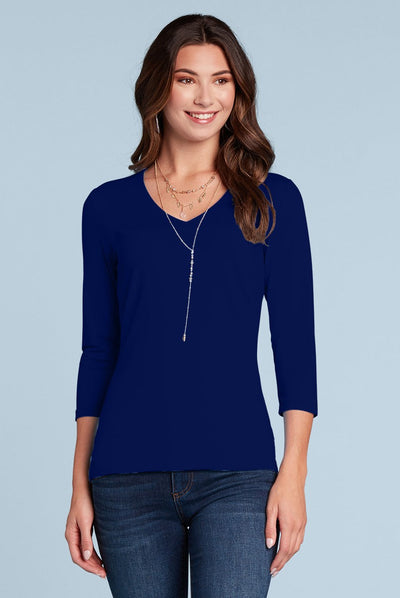
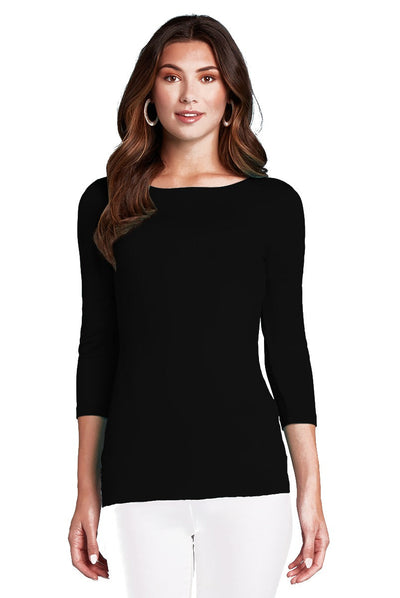
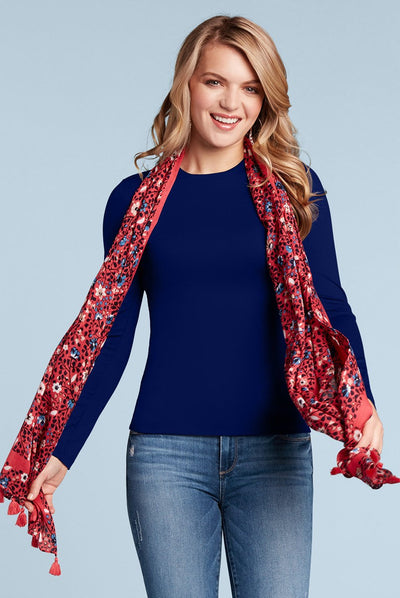
At JudyP Apparel, we design our microfiber-spandex blend tops, tunics, and dresses to be easy care, machine washable and wrinkle-resistant right out of the gate. But we also know your closet holds pieces that need a gentler touch. Whether it's lace, silk, cashmere, or any other fine fabric, proper washing technique is the difference between a garment that lasts years and one that's done after a few washes.
This guide walks you through both hand-washing and machine-washing methods for delicate clothing, step by step. You'll learn how to choose the right water temperature, which detergents actually protect fragile fibers, and how to dry everything without causing shrinkage or distortion. No guesswork, no ruined favorites.
What counts as delicate and check the label
Not all fabrics need special treatment, but plenty do. Delicate fabrics are generally those with a looser weave, fragile fibers, or surface textures that break down quickly under heat, agitation, or harsh detergents. When you're washing delicate clothes, knowing what you're working with upfront is the single most important step, and it takes less than a minute to figure out.
Fabrics that typically need gentle handling
Some fabrics are obviously fragile, and others surprise even careful dressers. Silk, lace, chiffon, and cashmere are the common ones, but the list is longer than most people expect. You should treat any of the following with extra care:
- Silk - loses strength when wet and snags easily against rough surfaces
- Lace - delicate open-weave structure tears under heavy agitation
- Cashmere and wool - shrink and felt permanently with heat or friction
- Chiffon - lightweight weave distorts and snags quickly
- Rayon and viscose - weaken significantly when wet and stretch out of shape
- Embellished fabrics - beads, sequins, or embroidery catch and detach in a standard wash
- microfiber-spandex blend (lyocell) - usually safe on a gentle machine cycle with cold water
How to read your care label
Before you fill a sink or start a machine, check the care label sewn inside your garment. It contains the manufacturer's direct instructions for that specific fabric construction, and those instructions account for the exact fiber blend and construction of that piece.
The care label overrides any general advice, because it was written for that garment specifically, not fabrics in general.
Care labels follow standardized symbols used across the US. Here's what the most common ones mean:
| Symbol | Meaning |
|---|---|
| Hand in water | Hand wash only |
| Tub with X | Do not wash with water |
| Tub with one dot | Cold water only |
| Tub with two dots | Warm water acceptable |
| Circle | Dry clean only |
| Square with circle | Tumble dry safe |
| Square with horizontal line | Lay flat to dry |
Step 1. Prep and sort before you wash
Good preparation takes two minutes and prevents most washing mistakes. Before you touch the sink or machine, sort your delicates away from regular laundry and give each piece a quick once-over. Look for stains, loose threads, or damaged closures that need attention before the wash cycle starts.
Sort by color and fabric type
Group your delicates by color first, keeping lights away from darks. Color bleeding is a real risk with silk and rayon, which release dye more easily than heavier weaves. Then separate by fabric type so nothing catches, snags, or felts against something it shouldn't:
- Silk and chiffon together
- Wool and cashmere together
- Embellished items alone or inside a mesh laundry bag
When washing delicate clothes, mixing fabric types in a single load increases friction and raises the chance of permanent damage.
Pre-treat stains and prep each garment
Treat any visible stains before washing by applying a small drop of gentle detergent directly onto the spot. Let it sit for five minutes, then rinse lightly with cold water. Turn embellished or printed garments inside out to protect surface details, and fasten all zippers and buttons so they don't snag surrounding fabric during the wash.
Step 2. Hand-wash delicates safely
Hand washing gives you direct control over water temperature and agitation, making it the safest method for your most fragile pieces. Fill a clean sink or basin with cold to lukewarm water (never hot) and add a small amount of gentle detergent designed specifically for delicates before placing anything in the water.
How to wash and rinse
Add roughly one teaspoon of delicate-specific detergent to the water and swirl it in before adding your garment. Submerge the item and gently squeeze the water through the fabric for two to three minutes without scrubbing or twisting. When washing delicate clothes this way, wringing or rubbing causes fiber damage you cannot undo.
Never rub fabric against itself. Friction is the main cause of pilling and permanent distortion in fine fabrics.
How to remove water safely
Lift the garment out and gently press it against the basin wall to push out excess water. Lay it flat on a clean, dry towel and roll the towel up with the garment inside, pressing firmly to absorb moisture without stretching the fibers.
- Rinse once in fresh cold water to remove any remaining detergent
- Never wring or twist to remove water
- Press, do not rub, when blotting with a towel
Step 3. Machine-wash delicates safely
A washing machine works fine for most delicates if you use the right settings. The key is reducing agitation and heat, both of which cause the most damage in a standard cycle. Check your garment's care label first to confirm machine washing is allowed before you load anything in.
Choose the right settings and products
Place delicate items inside a mesh laundry bag before loading the machine. This limits friction between garments and protects embellishments from catching on the drum. Select the delicate or gentle cycle, which uses slower spin speeds and less agitation than a normal wash. Use a detergent made specifically for delicates at roughly half the recommended amount.
- Use cold water only (60°F or below)
- Set spin speed to low
- Select the delicate or gentle cycle
- Load the machine no more than half full to reduce friction between items
Washing delicate clothes inside a mesh laundry bag is the easiest way to protect fragile fibers from machine agitation without hand washing every single piece.
What to avoid in the machine
Never use regular detergent or fabric softener on fine fabrics. Both break down fibers over repeated washes. Skip the high-spin setting entirely, since fast spinning stretches and distorts delicate weaves far more than gentle agitation does.
Step 4. Dry, reshape, and store
How you dry your delicates matters just as much as how you wash them. Heat and gravity are the two biggest threats at this stage, since both cause shrinkage and permanent distortion in fragile fibers. The dryer is off-limits for almost every delicate fabric, regardless of how tempting a quick tumble might seem.
How to dry delicates without damage
Remove each garment from the towel roll you used after washing and lay it flat on a fresh, dry towel or a mesh drying rack. Flat drying keeps the fabric from stretching under its own weight while wet, which is the leading cause of misshapen necklines and elongated hems. Keep items away from direct sunlight and heat sources like radiators, since both fade colors and weaken fibers.
Hanging a wet delicate garment to dry causes gravity to pull the fabric downward, stretching it permanently out of shape.
Reshape and store properly
While the garment is still slightly damp, use your hands to gently smooth it back to its original shape. This step takes under a minute and saves you from dealing with set-in wrinkles later. When washing delicate clothes regularly, this reshape habit keeps every piece looking as intended wear after wear. Once fully dry, fold rather than hang most delicates to prevent shoulder bumps and fiber stress during storage.
Quick wrap-up
Washing delicate clothes comes down to a short checklist you can run through every time: check the label, sort by color and fabric, use cold water with a gentle detergent, keep agitation low, and dry everything flat away from heat. Those five habits cover the vast majority of fabric types and protect your best pieces from the damage that standard washing causes.
Your approach to drying and reshaping matters just as much as the wash itself. Lay items flat, skip the dryer, and smooth each piece back to its original shape while it's still slightly damp. Repeat those steps consistently and your delicates will hold their fit and color through years of regular wear.
If you want clothing that's already designed to be easy care, check out the women's microfiber-spandex blend tops, tunics, and dresses at JudyP Apparel. Every piece is machine washable, wrinkle-resistant, and built to last without the extra fuss.
Shop Premium, Low-Maintenance Foundations:
- Keep care simple with durable foundations like the Juliet Jewel Neck Long Sleeve Top.
- Upgrade to a seasonal basic engineered for zero fuss and structured lines with the Jackie Turtleneck Long Sleeve Top.