
You just bought a top you love, maybe it's that perfect microfiber-spandex blend piece you plan to wear everywhere, and then you flip the tag over. A row of tiny icons stares back at you: triangles, circles, squares, dots. No words. Just symbols. If you've ever tossed a garment in the wash and hoped for the best, you're not alone. But understanding garment care symbols meaning can be the difference between a piece that lasts for years and one that shrinks, fades, or pills after a single cycle.
At JudyP Apparel, we design our microfiber-spandex blend tops, tunics, and dresses to be easy care, wrinkle-resistant and machine washable, because we believe great clothing shouldn't come with complicated upkeep. Still, every fabric has its needs, and care labels exist for a reason. Knowing how to read them protects your investment, no matter what's hanging in your closet.
This guide breaks down every standard care symbol you'll find on a clothing label, washing, drying, bleaching, ironing, and dry cleaning, so you can stop guessing and start caring for your garments the right way.
Why garment care symbols matter
Most people skip the care label entirely. You pull a top from the rack, check the size, maybe feel the fabric, and that's it. But those small symbols on the label are doing a lot of heavy lifting. They communicate specific instructions from the manufacturer about exactly how that garment was designed to be treated, and ignoring them costs you money, time, and perfectly good clothes.
The real cost of ignoring care labels
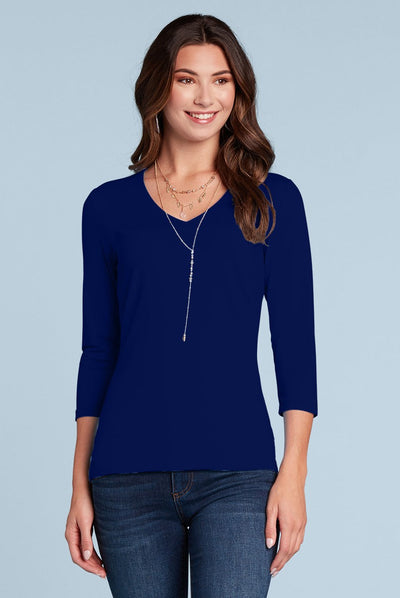
When you wash a garment the wrong way, the damage is usually permanent. Shrinkage, color fading, fabric pilling, and broken fibers don't reverse after the fact. A wool sweater thrown into a hot dryer can shrink two full sizes. A delicate blouse run through a regular wash cycle can lose its shape completely. These aren't rare accidents; they're predictable outcomes that care symbols exist specifically to prevent. For instance, structured office layers like the Deborah 3/4 Sleeve V-Neck Top rely on exact care compliance to hold their fluid lines and shape over time.
Caring for your clothes correctly is one of the most direct ways to extend their life and get the full value from what you spend.
Understanding garment care symbols meaning puts you in control. Instead of guessing and hoping, you know exactly which temperature to set the washing machine to, whether the dryer is safe to use, and whether you need to reach for the iron or skip it altogether.
How fabric type changes everything
Not all fabrics respond the same way to heat, water, or agitation. Natural fibers like cotton and linen can typically handle more heat than synthetic blends, but they're also more likely to shrink if you push past the recommended temperature. Delicate fabrics like silk, rayon, and microfiber-spandex blend require gentler handling because their fibers are more sensitive to friction and high heat.
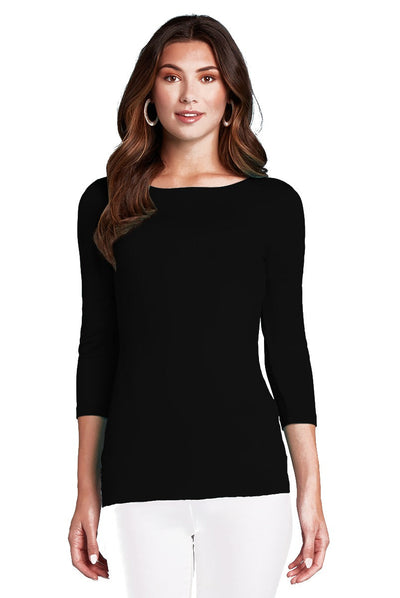
microfiber-spandex blend, for example, is made from wood pulp cellulose and is processed to be ultra-soft and moisture-wicking. It holds up well to machine washing when you follow the label, but aggressive cycles or high heat can break down the fibers over time. Knowing what the symbols on a microfiber-spandex blend garment mean keeps it looking and feeling exactly the way it did on day one. For regular silhouettes like the Karen Relaxed Fit 3/4 Sleeve V-Neck Top, checking the label ensures the relaxed fit through the torso stays loose and non-restrictive.
Why symbols work better than written instructions
Care labels used to carry written instructions in full sentences. The shift to symbols happened because clothing is sold and shipped globally, and a single icon communicates the same message across dozens of languages without translation. The symbols used today follow international standards set by ASTM International and ISO, which means a washing tub icon means the same thing whether the garment was made in the US, Japan, or Italy.
That standardization is useful for you as a shopper. Once you learn what each symbol means, you can read any label on any garment, regardless of where it came from or what language appears on the tag alongside the icons.
How to read a care label from top to bottom
Care labels follow a consistent left-to-right order, and that order is intentional. Once you know the sequence, you can scan any label in seconds and immediately understand what each position on the tag is telling you. Understanding garment care symbols meaning gets much easier when you know the system behind the layout.
The standard order of symbols
Manufacturers arrange care symbols in a specific sequence that matches the typical stages of garment care. Washing comes first, followed by bleaching, drying, ironing, and finally professional or dry cleaning instructions. That five-symbol sequence is the global standard, and you'll find it on virtually every garment sold in the US.
Knowing the order means you can read a label the way you'd read a sentence, left to right, without stopping to guess what each icon refers to.
What to check before you wash anything new
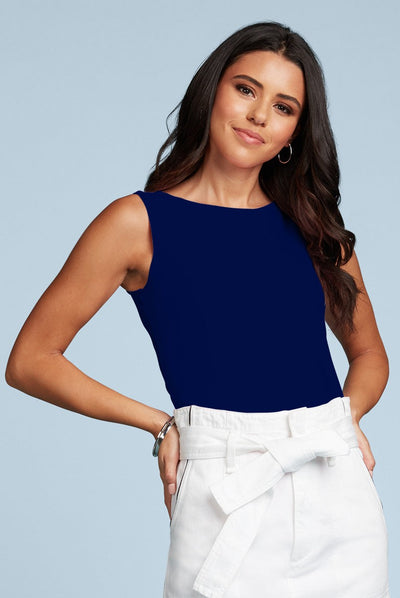
When you bring a new garment home, read the full label before you wash it the first time. Pay attention to the first symbol (washing) and the third symbol (drying), since those two cover the most common laundry decisions. If either one carries a warning mark, like an X through it, that tells you immediately that a standard wash or dryer cycle is off the table for that item. This step prevents common disasters on full-coverage styles like the Sandra V-Neck 3/4 Sleeve Tunic, preserving its long length and side slits safely.
Some labels also include written notes alongside the symbols. These notes are worth reading because they sometimes add detail the symbol alone can't carry, like "wash with like colors" or "do not wring." Between the symbols and the written notes, you have everything you need to treat that garment correctly from day one.
Washing symbols and what they mean
The washing symbol is a small tub filled with water, and it's always the first icon you'll see on a care label. Understanding garment care symbols meaning starts here because washing is where most garment damage actually happens. The icons in this category tell you whether machine washing is safe, what water temperature to use, and how gentle the cycle needs to be.
The washing tub and temperature
A plain tub with no lines underneath means you can use a normal wash cycle. The number inside the tub, if there is one, tells you the maximum water temperature in Celsius. A tub showing 30 means cold wash (86°F), 40 means warm (104°F), and 60 means hot (140°F). If there's no number shown, stick to cold water to be safe.
Exceeding the temperature on the label is one of the most common reasons garments shrink or lose their shape after washing.
A tub with an X through it means do not machine wash or hand wash this garment at home. That icon points you directly to professional cleaning instead.
What the lines beneath the tub mean
Lines underneath the washing tub tell you how much agitation the fabric can handle. One line beneath the tub means use a permanent press or medium cycle. Two lines mean the delicate or gentle cycle is required. No lines at all means a standard cycle is fine. Some labels also place dots inside the tub to indicate temperature, with one dot for cold and additional dots for progressively warmer water.
For garments like microfiber-spandex blend tops or moisture-wicking fabrics, you'll typically see a low temperature paired with one or two lines, which points you toward a gentle, cool wash that keeps the fiber structure intact over time.
Drying symbols and what they mean
The drying symbol is a square, and everything about how your garment should dry is communicated through what appears inside or around that square. This is the second most important category for garment care symbols meaning after washing, because heat from a dryer is responsible for a large share of fabric damage, including shrinkage, warping, and fiber breakdown.
The tumble dryer and heat settings
A square with a circle inside means the garment is safe for tumble drying. Like the washing tub, dots inside the circle tell you what heat level to use. One dot means low heat, two dots mean medium heat, and three dots mean high heat is acceptable. If the square and circle carry an X over them, keep that item out of the dryer entirely.
Using a lower heat setting than the label requires is always safer than going higher, and it extends the life of most fabrics significantly.
One line beneath the square means use a permanent press cycle, which reduces heat toward the end of the cycle to limit wrinkling. Two lines point you to a gentle or delicate dry cycle, which uses lower heat and less tumbling throughout.
Flat dry and line dry symbols
Not every garment belongs in a dryer at all, and the symbols on this end of the spectrum tell you exactly how to air dry your piece instead. A square with a single horizontal line through the middle means lay the garment flat to dry, which prevents stretching from the weight of wet fabric. A square with a curved line at the top means line drying is fine. For fabrics like microfiber-spandex blend, flat drying is often the better choice because it preserves the garment's shape and keeps the fibers smooth.
Bleaching, ironing, and dry cleaning symbols
The final three categories in garment care symbols meaning cover bleaching, ironing, and professional cleaning. These symbols show up less often in everyday laundry decisions, but ignoring them can ruin a garment permanently, especially when it comes to bleach, which can destroy fibers and strip color in one cycle.
Bleaching symbols
The bleaching symbol is a triangle. A plain, empty triangle means any bleach is safe to use on that garment. A triangle with two diagonal lines inside means only non-chlorine or oxygen bleach is acceptable. That distinction matters because chlorine bleach is far more aggressive and will damage delicate fabrics like microfiber-spandex blend or modal on contact. A triangle with an X through it means no bleach of any kind should touch that item.
When in doubt, skip bleach entirely. Oxygen-based soaking products clean effectively without the risk of color loss or fiber damage.
Ironing symbols
The ironing symbol looks exactly like a clothes iron viewed from the side. Dots inside the iron tell you the maximum heat setting to use: one dot for low heat, two dots for medium, and three dots for high heat. An iron with an X through it means do not iron this garment at all. Some labels also show an iron with lines beneath the plate and an X, which specifically means do not use steam.
Dry cleaning symbols
The dry cleaning symbol is a circle. A plain circle means professional dry cleaning is safe. Letters inside the circle, like F or P, tell the dry cleaner which specific solvent to use, which is more relevant for the professional than for you at home. A circle with an X through it means dry cleaning is not safe for that fabric, and you should stick to the home washing instructions instead.
A quick way to use this every laundry day
You don't need to memorize every garment care symbols meaning detail to get this right. Bookmark this page or screenshot the key sections before your next laundry day, and check it the first time you wash any new garment. After a few rounds, the most common symbols will stick on their own.
The simplest habit you can build is to read the full label before the first wash, not after something goes wrong. Check the washing symbol, note the temperature, look at the drying icon, and you've covered the two decisions that matter most. Bleaching, ironing, and dry cleaning symbols only come up when the situation calls for it.
When your wardrobe includes easy-care fabrics designed to last, that process gets even faster. At JudyP Apparel, every piece is made from exclusive microfiber-spandex blend fabric that's machine washable and wrinkle-resistant, so great care is simple from day one.
Shop Easy-Care microfiber-spandex blend Favorites:
- Keep the classic Deborah 3/4 Sleeve V-Neck Top flawlessly structured using a cold wash cycle.
- Protect the beautiful silhouette of the Karen Relaxed Fit 3/4 Sleeve V-Neck Top with a low friction gentle wash.
- Preserve the smooth, extended-length hem of the Sandra V-Neck 3/4 Sleeve Tunic by avoiding high heat dryers.