
If you've ever wondered is Tencel fabric breathable, the short answer is yes, exceptionally so. Tencel's natural fiber structure allows air to circulate freely while pulling moisture away from your skin, making it one of the most comfortable materials you can wear in warm weather or layer up with when it's cool.
But breathability alone doesn't tell the whole story. What makes Tencel stand out is how it manages moisture and regulates temperature at the same time. These properties work together to keep you dry and comfortable whether you're commuting, running errands, or sitting through a long meeting.
A quick note before we dive in: JudyP isn't a Tencel brand. Our tops, tunics, and dresses are made in the USA from an exclusive microfiber-spandex knit (92% nylon, 8% spandex) engineered for moisture-wicking, wrinkle resistance, shape retention, and UPF 50+ sun protection. We get asked about Tencel constantly, though, because shoppers want to know how the popular comfort fibers compare — so this article breaks down exactly how Tencel's breathability works, how it stacks up against cotton and linen, and where a performance knit like ours fits in.
What Tencel is and what breathability means
Tencel is the brand name Lenzing AG uses for its lyocell fiber, a material derived from wood pulp, most commonly from sustainably harvested eucalyptus trees. The manufacturing process uses a closed-loop solvent system that recaptures and recycles more than 99% of the solvent involved, making it one of the more environmentally responsible textile processes available. The fibers produced are fine, smooth, and consistent in quality, and those characteristics directly shape how the fabric feels and performs on your body. You'll find Tencel used across a wide range of products, from bedding to clothing, precisely because it works so well in so many contexts.
What makes Tencel different from synthetic fabrics
Unlike polyester or nylon, Tencel starts from a natural cellulosic source, and that origin shapes how the fiber behaves at a structural level. Synthetic fibers are dense and essentially non-porous, so they trap heat against your skin during warm weather or physical activity. Tencel fibers have microscopic fibrils along their surface that allow moisture to move efficiently and give the fabric more room to breathe. That structural difference separates Tencel from most performance fabrics on the market, and you won't replicate it with a standard synthetic blend regardless of how it's woven.
The fiber structure of Tencel is fundamentally different from synthetics, and that difference shows up directly in how the fabric feels against your skin throughout the day.
What breathability actually means for your clothes
When people ask is Tencel fabric breathable, they're usually asking whether it keeps them from feeling hot and sticky. Technically, breathability means a fabric allows moisture vapor to escape from between your skin and the cloth rather than trapping it there. A material that only passes air without managing sweat still leaves you uncomfortable. Tencel handles both airflow and moisture transfer simultaneously, which is why it consistently outperforms many natural and synthetic alternatives when temperatures climb or activity levels rise.
Why Tencel feels cool: moisture-wicking and airflow
Tencel keeps you comfortable by doing two things at once: pulling moisture away from your skin and letting air move freely through the weave. Many fabrics pass one test but fail the other. Cotton absorbs moisture but holds it against you. Polyester allows airflow but traps sweat. Tencel handles both at the same time because of how its fibers are structured.
When a fabric manages both moisture and airflow together, you feel the difference immediately, especially on warm days or during activity.
How Tencel's fiber structure drives moisture movement
The fibril structure on Tencel's surface creates channels that continuously pull moisture away from your skin toward the outer face of the fabric, where it evaporates. This means sweat doesn't accumulate between your skin and the cloth, so the fabric stays dry to the touch far longer than most alternatives.
Your body also benefits from the mild cooling effect that efficient evaporation creates at the fabric surface. If you're asking is Tencel fabric breathable for physical activity or hot weather, this dual action is exactly what makes it perform so well. The temperature-regulating effect builds throughout a full day of wear and is one of the clearest differences between Tencel and standard fabrics.
Is Tencel more breathable than cotton and linen
Tencel holds up well against both cotton and linen, two fabrics most people consider the standard for natural-fiber breathability. When you ask is Tencel fabric breathable compared to these options, the answer comes down to how each fiber handles moisture and airflow under real-wear conditions.
Tencel's moisture management gives it a practical edge over cotton in warm weather, even though cotton has been the default natural fiber for decades.
Comparing Tencel, cotton, and linen side by side
Each fabric has a different approach to breathability and moisture control, and those differences become clear when you wear them in heat or during activity. The table below breaks down where each fabric stands across the factors that matter most for everyday comfort.
| Fabric | Moisture-wicking | Airflow | Softness | Dries quickly |
|---|---|---|---|---|
| Tencel | Excellent | Excellent | Very soft | Yes |
| Cotton | Poor | Good | Soft | No |
| Linen | Moderate | Excellent | Rough | Yes |
Linen comes closest to Tencel in airflow performance, but the texture gap is significant. Tencel gives you comparable breathability with a much softer hand feel, which makes it easier to wear through a full day without any discomfort or irritation.
When Tencel works best for summer, sleep, and workouts
Tencel performs best in situations where heat and moisture buildup are your biggest comfort problems. If you're asking is Tencel fabric breathable enough for your specific needs, this material covers a surprisingly wide range of use cases that go well beyond a single season or activity.
Tencel's combination of softness, moisture control, and temperature regulation makes it one of the most versatile fabrics across very different situations.
Summer wear and sleep
For summer clothing, Tencel keeps your skin dry and cool as temperatures rise throughout the day. The moisture-wicking action prevents the sticky, damp feeling that builds up with cotton on hot days. For sleep, Tencel's temperature-regulating properties help your body stay comfortable through the night without overheating or waking up damp.
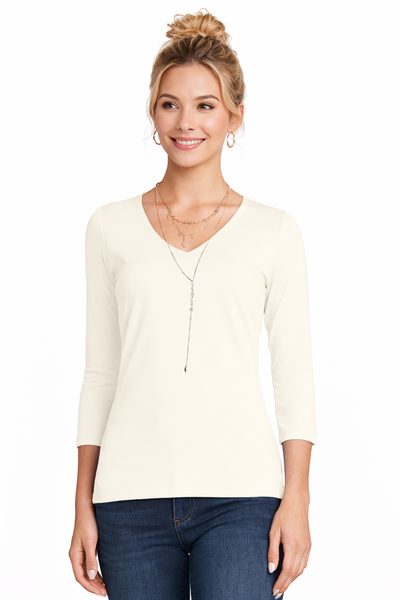
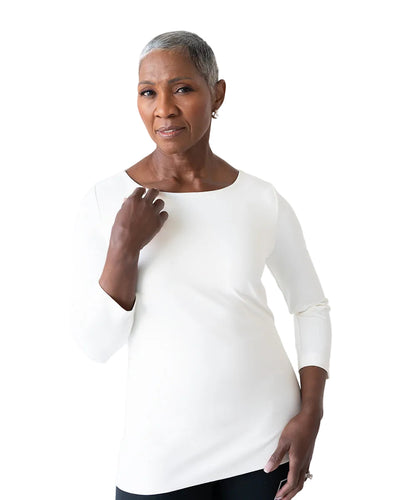
Tencel also works well for travel and all-day wear in warm climates because its wrinkle resistance means you stay looking put-together without any extra effort between activities. For warm office days, JudyP's own microfiber-spandex pieces like the Sabrina Boatneck 3/4 Sleeve Top or the tailored Deborah 3/4 Sleeve V-Neck Top pair moisture-wicking comfort with a polished, professional look — and unlike Tencel, they won't shrink or need careful drying.
Light workouts and daily movement
Tencel handles low-to-moderate physical activity comfortably. The fiber structure moves sweat away efficiently during a walk, yoga session, or a full day of errands. If you are packing for a trip or spending a busy day on your feet, JudyP's Karen Relaxed Fit 3/4 Sleeve V-Neck Top moves with you without clinging, while the extended length of the Sandra V-Neck 3/4 Sleeve Tunic offers moisture-wicking, wrinkle-free coverage from morning to night.
For high-intensity training, purpose-built athletic fabrics still lead, but Tencel outperforms most natural alternatives for everyday movement and light exercise.
How to care for Tencel so it stays breathable
Proper care keeps Tencel performing at its best over the long term. The fiber's natural structure is what makes is Tencel fabric breathable such a reliable yes, and rough handling can damage those fibers over time, reducing both softness and moisture management. Treating it gently extends the life of the garment significantly.
Washing Tencel correctly from the start protects the fiber structure that makes it so effective at managing heat and moisture.
Washing and drying tips
Use cold or warm water and a gentle machine cycle when washing Tencel. Avoid hot water, which can shrink the fabric and weaken the fibril structure responsible for moisture movement. Use a mild detergent without bleach or fabric softener, since softeners coat fibers and block their ability to wick moisture away from your skin effectively.
For drying, low heat or air drying works best. High dryer heat weakens Tencel fibers over repeated cycles and shortens the garment's lifespan. If you air dry, shape the garment flat to prevent stretching. Tencel resists wrinkles naturally, so you rarely need an iron, and skipping that step protects the fabric even further. Following these steps keeps your Tencel breathable wash after wash.
Final takeaways
So, is Tencel fabric breathable? Yes, and it earns that reputation through real structural advantages rather than marketing claims. Moisture-wicking, airflow, and temperature regulation work together in Tencel to keep you comfortable across warm weather, sleep, and daily movement. No other common fabric combines all three as effectively while staying this soft and easy to maintain.
Your care routine matters too. Cold water, gentle cycles, and low-heat drying preserve the fiber structure that makes Tencel perform so well, wash after wash. Skip the fabric softener and high heat, and your Tencel garments will stay breathable for years.
If you want everyday comfort that holds up with zero fuss, shop JudyP Apparel. We aren't a Tencel brand — every piece is made in the USA from our exclusive microfiber-spandex knit with UPF 50+ sun protection, moisture-wicking, wrinkle resistance, and flattering fits designed for real women and real days. Think of it as the easy-care, never-shrink alternative to the fibers in this guide.
Experience JudyP Microfiber-Spandex Favorites:
- Keep cool and polished at work or outings with the elegant Sabrina Boatneck 3/4 Sleeve Top.
- Enjoy effortless, sleek, temperature-regulating style in the tailored Deborah 3/4 Sleeve V-Neck Top.
- Stay comfortably dry and unrestricted during busy days in the Karen Relaxed Fit 3/4 Sleeve V-Neck Top.
- Maximize your everyday workflow with the extended, moisture-wicking coverage of the Sandra V-Neck 3/4 Sleeve Tunic.