
Does Tencel Shrink? Lyocell, Modal, and Blend Care Tips
You just bought a gorgeous Tencel top. The fabric feels amazing and drapes beautifully. Then reality hits. What happens when you wash it? Will it shrink and become unwearable? You're not alone in worrying about this. Tencel's luxurious feel makes it a favorite for clothing, but the care instructions can seem unclear or contradictory.
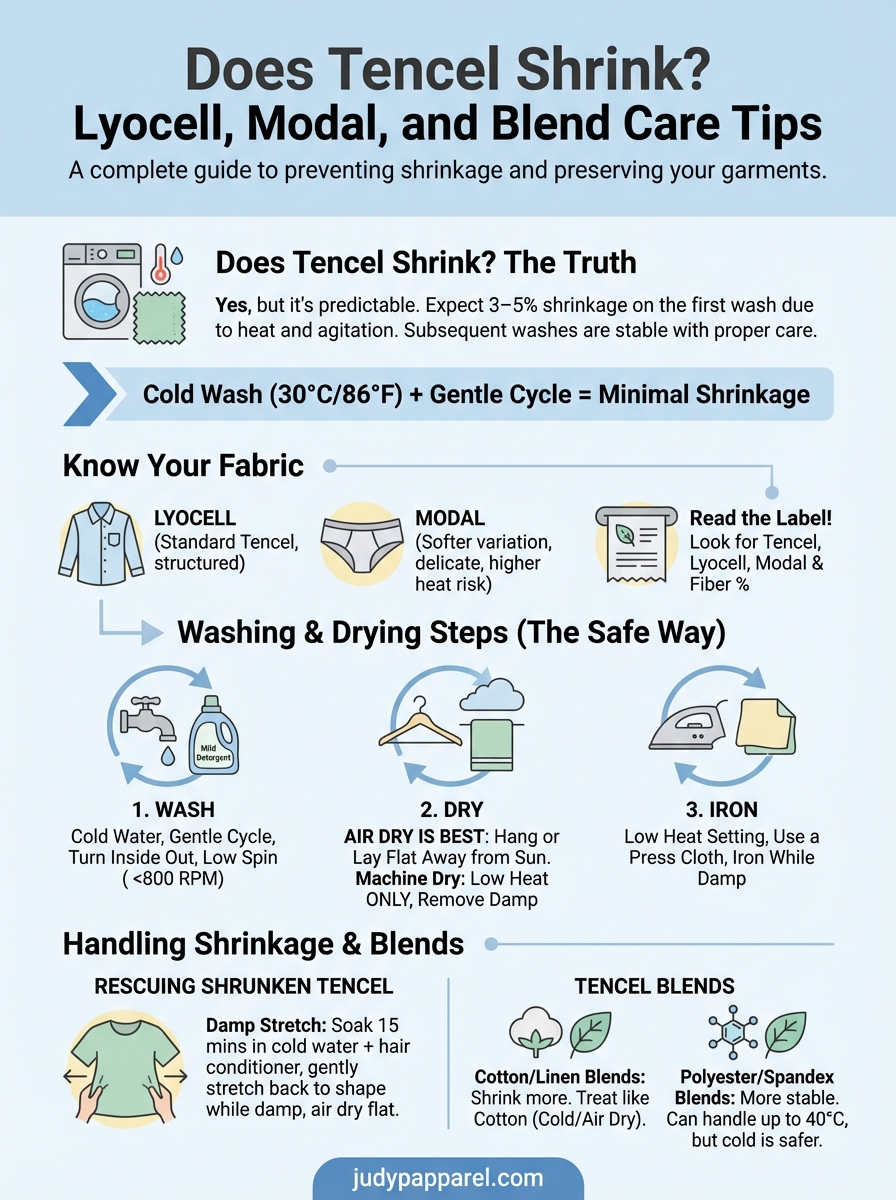
Here's the truth. Tencel can shrink about 3 to 5 percent with the first wash. But this shrinkage is predictable and manageable when you know how to handle it. The key is understanding what type of Tencel you have and using the right washing and drying methods. Most shrinkage happens from heat and agitation, both of which you can control.
This guide walks you through everything you need to know about Tencel care. You'll learn the difference between Lyocell and Modal, how to read fabric labels, the exact steps to wash and dry Tencel without damage, and what to do if your garment already shrank. You'll also discover how Tencel blends behave differently and need adjusted care. By the end, you'll feel confident keeping your Tencel pieces looking and fitting their best for years.
Prefer to skip the shrink-proofing ritual altogether? JudyP's easy-care microfiber-spandex knit pieces are marked down right now in the Summer Warehouse Clearance Sale.
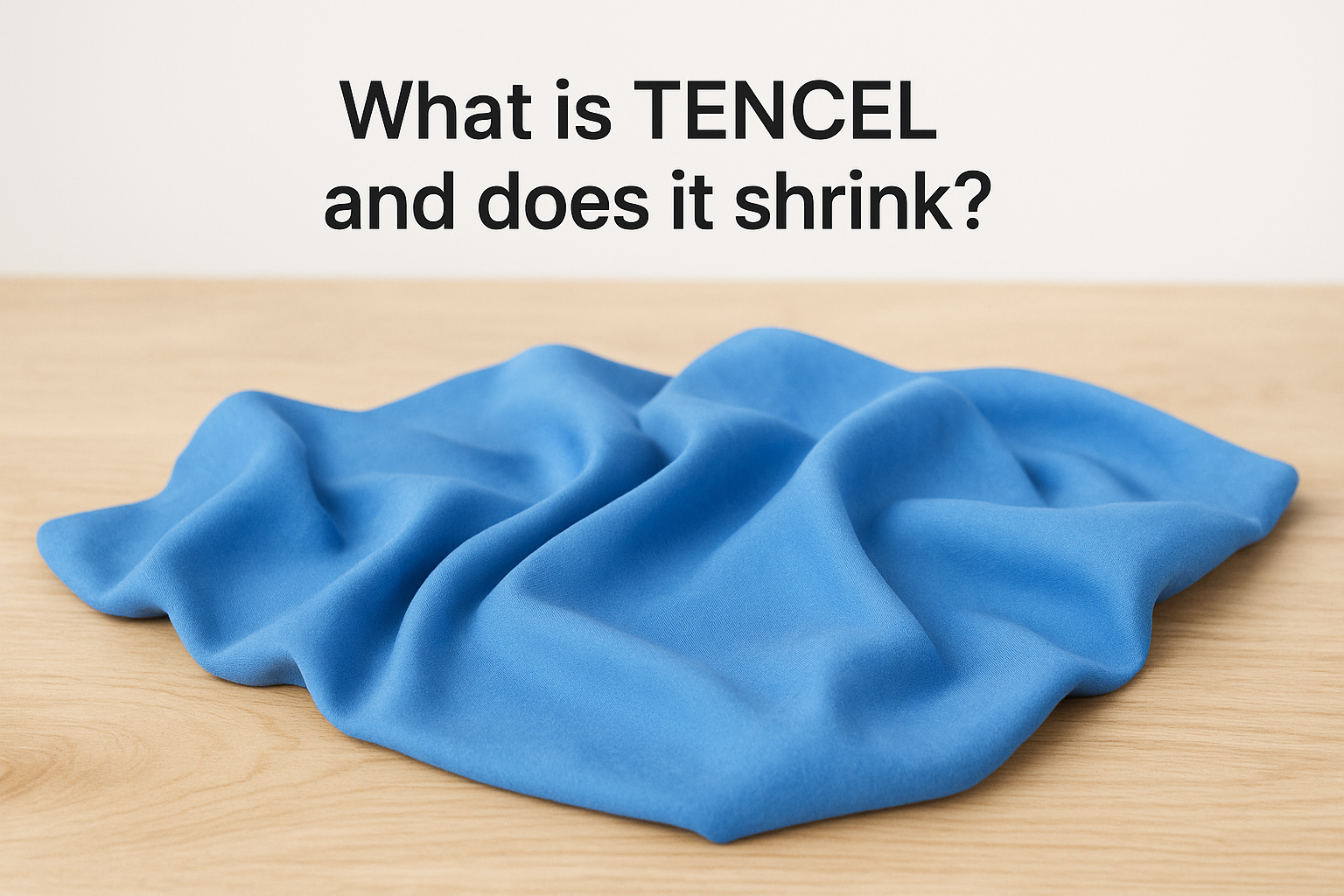
What is Tencel and does it shrink?
Tencel is a brand name for fabric made from wood pulp cellulose, typically from eucalyptus, beech, or spruce trees. The manufacturing process transforms these fibers into soft, breathable fabric through a closed-loop system. You'll find two main types: Lyocell (the original Tencel) and Modal (an ultra-soft variation). Both offer excellent moisture-wicking properties and feel silky against your skin.
The truth about Tencel shrinkage
Does tencel shrink? Yes, but the shrinkage is predictable and limited. Your Tencel garment will shrink between 3 to 5 percent during the first wash. This happens because the fibers relax and contract when exposed to water and heat for the first time. Most manufacturers pre-wash Tencel fabric to minimize this effect, but some shrinkage still occurs.
After the initial wash, Tencel becomes stable and resists further shrinkage when you care for it properly.
The amount of shrinkage depends on several factors. Heat exposure causes the most damage, followed by aggressive agitation in the washing machine. Lyocell tends to be more stable than Modal, though both shrink less than cotton or wool. Understanding your specific fabric type helps you prevent unnecessary shrinkage and maintain the perfect fit.
Step 1. Check the label and fabric type
Before washing any Tencel garment, examine the care label inside your clothing. The label reveals what you're working with and how to treat it properly. This step prevents mistakes that cause shrinkage and helps you understand whether your piece is 100% Tencel or a blend with cotton, polyester, or spandex.
What to look for on your care label
Your care label reveals crucial information about fabric composition. Look for terms like "Tencel Lyocell", "Tencel Modal", or simply "Lyocell" in the fiber content. The percentage matters because a 70/30 Tencel-polyester blend behaves differently than pure Tencel.

Check these details on every label:
- Fiber composition percentage
- Maximum water temperature
- Tumble dry permissions
- Heat or chemical warnings
The care label is your roadmap to preventing shrinkage, not just a suggestion.
Identifying Tencel Lyocell vs Modal
Lyocell is the standard Tencel used in structured clothing like dresses and tops. It holds shape well and shrinks predictably. Modal is softer and more delicate, often found in underwear or sleepwear. Modal can shrink slightly more than Lyocell during the first wash.
Both types need gentle care, but Modal requires extra caution with heat. When your label doesn't specify which type, assume it's Lyocell unless the fabric feels exceptionally silky.
Step 2. Wash Tencel to prevent shrinkage
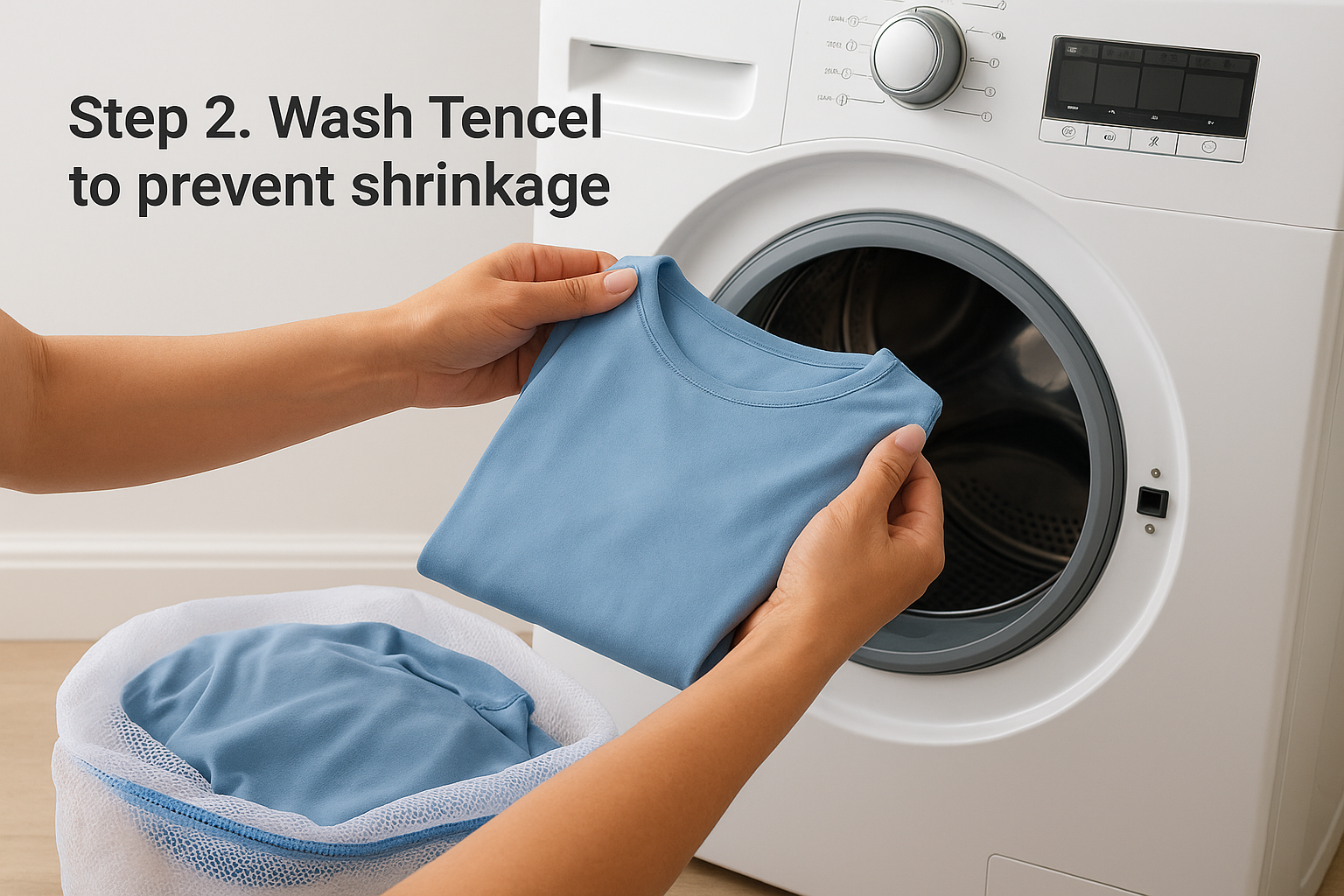
The washing process determines whether your Tencel garment maintains its original size. You control shrinkage by managing water temperature and machine agitation. Does tencel shrink when you follow proper washing techniques? Minimal shrinkage occurs when you use cold water and gentle cycles. These two factors create the foundation for successful Tencel care.
Set the right water temperature
Cold water is your best defense against shrinkage. Set your machine to 30°C (86°F) or the coldest setting available. Hot water causes Tencel fibers to contract rapidly, leading to permanent size reduction. Your garment shrinks most dramatically when water exceeds 40°C (104°F).
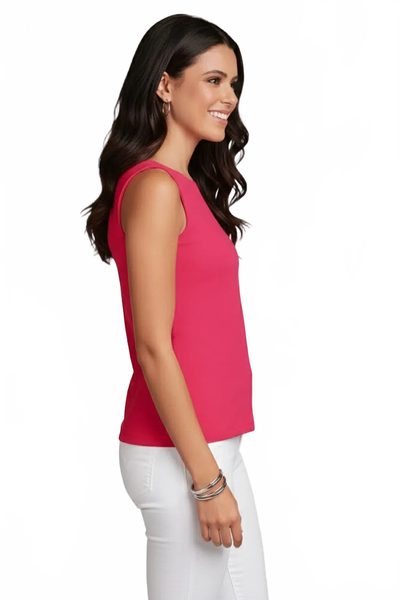
Turn your Tencel pieces inside out before placing them in the machine. This protects the outer surface from friction and pilling. Place delicate items in a mesh laundry bag for added protection during the wash cycle. Prefer to skip the cold-wash-and-pray routine altogether? That is exactly why JudyP builds its staples from an exclusive microfiber-spandex knit (92% nylon, 8% spandex) instead of cellulosics. A piece like the Sabrina Boatneck 3/4 Sleeve Top machine-washes normally, keeps its shape, and will not shrink the way Tencel can.
Cold water washing prevents up to 80 percent of potential Tencel shrinkage.
Choose your detergent and cycle
Select a mild, liquid detergent without bleach or harsh chemicals. Powder detergents can leave residue on Tencel's smooth fibers. Use half the amount you'd normally use for cotton, as Tencel requires less soap to clean effectively.
Set your machine to the gentle or delicate cycle. This reduces agitation that stresses the fibers and causes shrinkage. Avoid the normal or heavy-duty cycles entirely. Your spin speed should stay below 800 RPM to minimize fiber stress.
Wash Tencel items separately from heavy fabrics like jeans or towels. The friction from rougher materials damages Tencel's smooth surface. Group similar colors together and wash full loads to reduce movement inside the drum. For an adaptable basic that holds its shape wash after wash with no special cycle, the Christina Boatneck Sleeveless Shell — cut from JudyP's microfiber-spandex knit — works alone or as a reliable layering piece.
Step 3. Dry and iron Tencel the safe way
Drying creates the highest risk of shrinkage in Tencel garments. Heat exposure from dryers causes fibers to contract permanently, while improper ironing damages the smooth surface. Does tencel shrink in the dryer? Absolutely, and the damage happens fast. Your best strategy involves air drying whenever possible and using extreme caution with heat-based methods.
Air drying vs machine drying
Air drying protects Tencel from heat-related shrinkage completely. Remove your garment from the washer immediately after the cycle ends. Shake it gently to release wrinkles, then lay it flat on a clean towel away from direct sunlight. Reshape the garment to its original dimensions while damp.
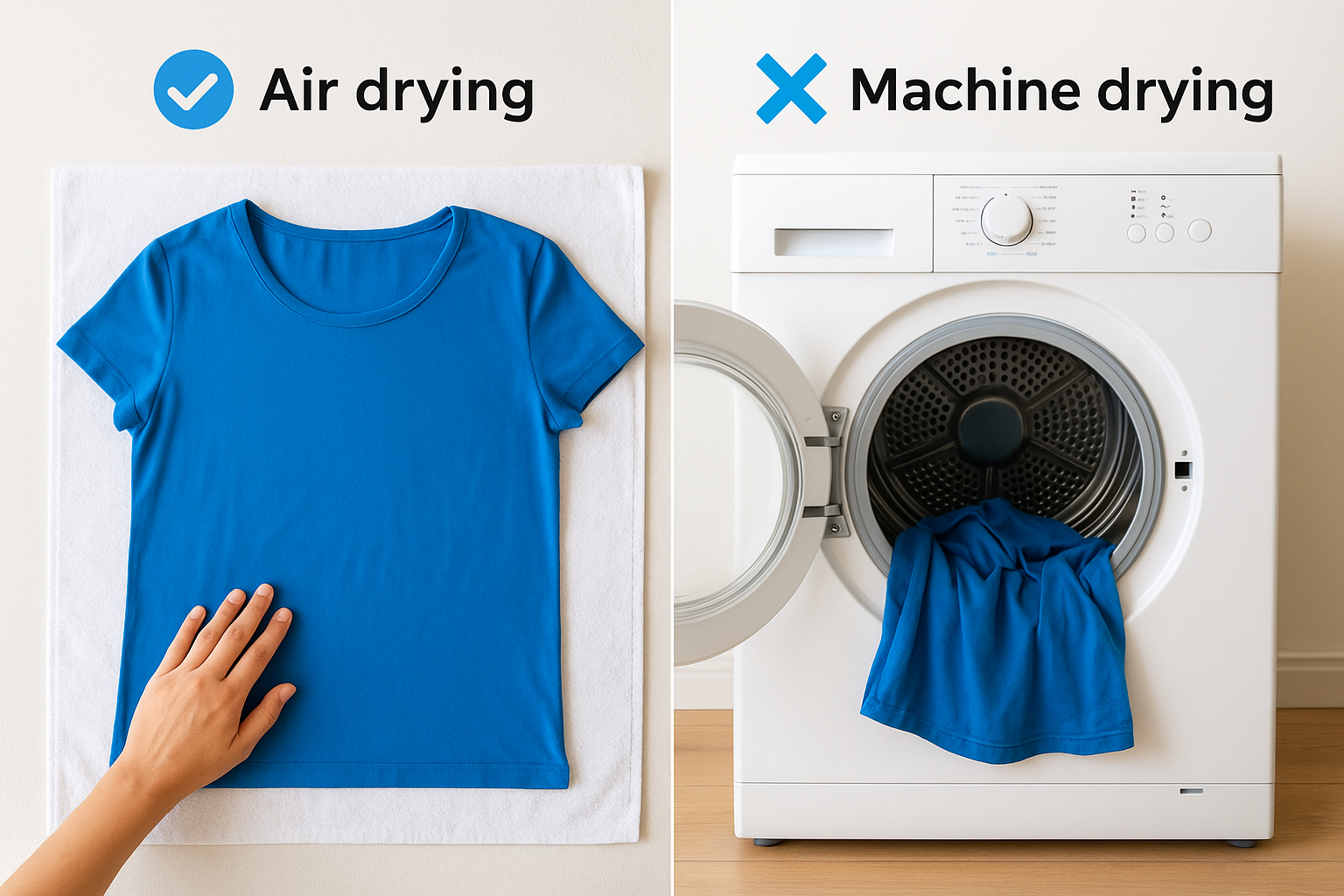
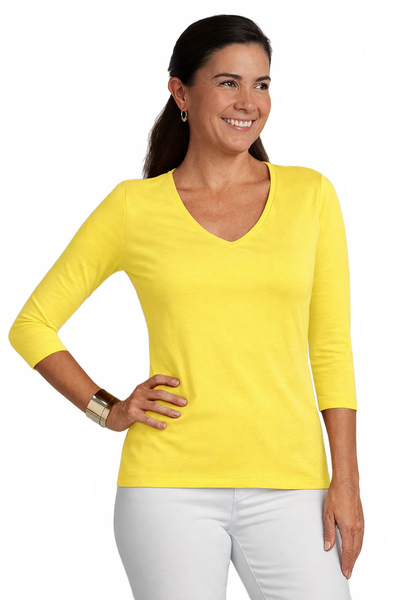
Hanging works for structured pieces like dresses, but use padded hangers to prevent shoulder marks. Never hang Tencel in direct sunlight, as UV rays weaken the fibers over time. Your garment dries in 4 to 6 hours indoors with good air circulation. If you would rather not babysit the dry cycle at all, a JudyP piece like the Karen Relaxed Fit 3/4 Sleeve V-Neck Top hangs or tumbles dry without the reshaping ritual — its microfiber-spandex knit holds its line on its own.
Air drying eliminates dryer shrinkage and extends your Tencel garment's lifespan by years.
Machine drying requires strict temperature control. Use low heat only and remove items while slightly damp. Set your dryer to delicate mode and check every 10 minutes. Pull the garment out at 70 percent dry, then finish air drying.
Ironing Tencel without damage
Most Tencel pieces resist wrinkles naturally and need minimal ironing. When necessary, set your iron to the lowest temperature setting (silk or synthetic). Place a thin cotton cloth between the iron and your Tencel garment to prevent direct heat contact.
Iron while the fabric is slightly damp for best results. Use smooth, gliding motions without pressing hard. Never leave the iron sitting in one spot, as concentrated heat creates permanent shine marks on Tencel's surface. For a classic open-neck option that needs no steaming at all, the Deborah 3/4 Sleeve V-Neck Top sheds wrinkles on its own — JudyP's microfiber-spandex knit comes out of a bag ready to wear.
How to handle shrinkage and Tencel blends
Your Tencel garment shrank more than expected, or you own a blend that confuses you. Both situations require specific solutions. Does tencel shrink differently in blends? Yes, because other fibers change how the fabric behaves during washing. Understanding these differences helps you salvage shrunken pieces and prevent future problems.
What to do when Tencel already shrank
Rescuing a shrunken Tencel garment takes gentle stretching while the fabric is damp. Soak the piece in cold water mixed with one tablespoon of hair conditioner for 15 minutes. The conditioner relaxes the fibers temporarily. Remove the garment and gently squeeze out excess water without wringing.
Lay the damp garment flat on a towel and carefully stretch it back to its original shape. Pin the edges if needed to hold the stretched position while it air dries. This method recovers about half of the lost size, though results vary based on how much heat exposure caused the shrinkage.
Caring for Tencel blend fabrics
Tencel blended with cotton or linen shrinks more aggressively than pure Tencel. These natural fibers contract faster in warm water, pulling the Tencel along with them. Treat these blends exactly like cotton: cold water only and air dry completely.
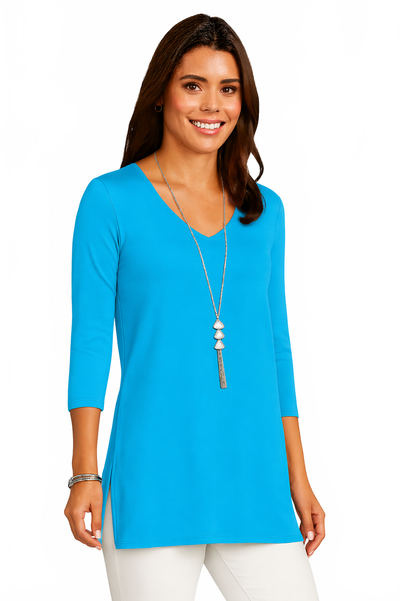
Polyester or spandex blends resist shrinkage better than pure Tencel. The synthetic fibers stabilize the fabric structure. You can use slightly warmer water (up to 40°C) with these blends, though cold water remains safest. Always check your care label first, as blend percentages change the rules. And if you love a longer silhouette, the Sandra V-Neck 3/4 Sleeve Tunic keeps its hem long and elegant without flat-drying — the spandex recovery does the work for you.
Love Tencel's feel but not the upkeep? Meet JudyP's microfiber-spandex
Here's the honest trade-off. Tencel is soft and breathable, but as you've seen, it asks for cold water, gentle cycles, and careful air drying to avoid that 3 to 5 percent shrink. If what you really want is the look and easy drape without the babysitting, that's exactly what JudyP is built for.
JudyP isn't a Tencel brand. Our pieces are cut from an exclusive microfiber-spandex knit — 92% nylon, 8% spandex — engineered in California for the outcome most people are chasing when they reach for Tencel:
- It doesn't shrink like cellulosics. Nylon doesn't soak up water and contract the way wood-pulp fibers do, so your fit stays your fit, wash after wash.
- Wrinkle-resistant by nature. The knit sheds wrinkles and smooths out on its own — no iron, no steam, no press-cloth.
- Holds its shape. The 8% spandex gives gentle recovery, so necklines and hems bounce back instead of bagging out.
- Easy care, full stop. Machine wash, hang or tumble — no special cycle, no flat-drying ritual.
- Moisture-wicking and UPF 50+. Comfortable from a warm commute to a sunny patio.
You get the polished, drapey feel you wanted from Tencel — with care instructions that basically read "wash it and wear it." Made in the USA, in colors you'll actually reach for.
Stay confident caring for Tencel
You now know the answer to "does tencel shrink" and exactly how to prevent it happening to your favorite pieces. Cold water washing and air drying keep your garments fitting perfectly through dozens of wears. These simple care steps protect your investment in quality clothing while maintaining Tencel's luxurious feel and drape.
And if this whole care routine sounds like more than you signed up for, that is the case for a different fabric entirely. If you need a versatile, all-in-one outfit option that falls into place gracefully, the Carole V-Neck 3/4 Sleeve Dress moves from season to season with almost no upkeep. Explore JudyP Apparel — American-made tops and dresses in an exclusive microfiber-spandex knit that holds its shape, resists wrinkles, and will not shrink in the wash.