

Summer heat turns your favorite clothes into sweat traps. You step outside and immediately feel fabric clinging to your skin. Your shirt sticks to your back before you even reach your car. The wrong material makes every hot day miserable, leaving you uncomfortable and self conscious about sweat marks.
The fabric you wear makes all the difference when temperatures rise. Some materials trap heat and moisture against your skin, while others let your body breathe and regulate temperature naturally. This guide breaks down the five best fabrics for hot weather, explaining exactly why each one keeps you cool. You'll learn which materials work best for humid climates versus dry heat, how to style each fabric type, and simple care tips that preserve their cooling properties. Whether you're dressing for work, running errands, or meeting friends for lunch, these breathable options will help you stay comfortable all summer long.
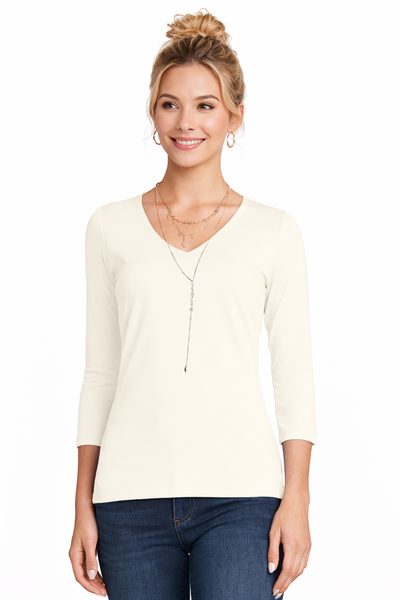
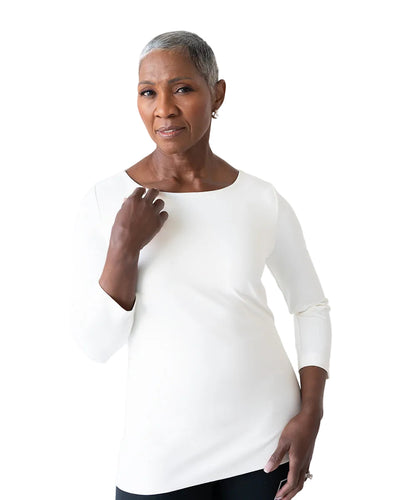
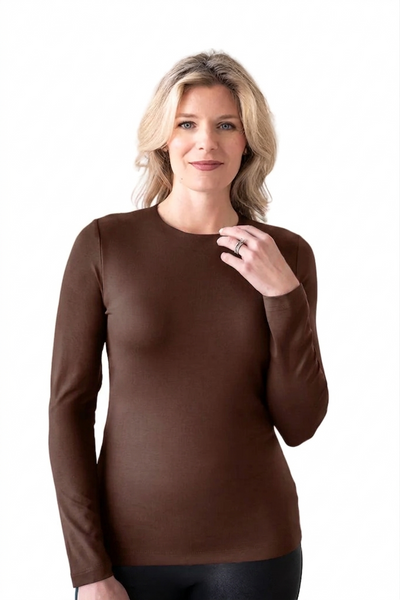
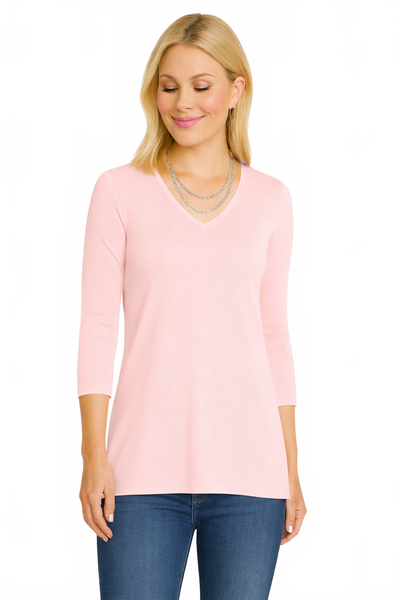
Want to build a hot-weatherr wardrobe without the guesswork? Many of JudyP's breathable, temperature-regulating tops are currently 25% off in the Summer Colors Sale.
1. Tencel and lyocell
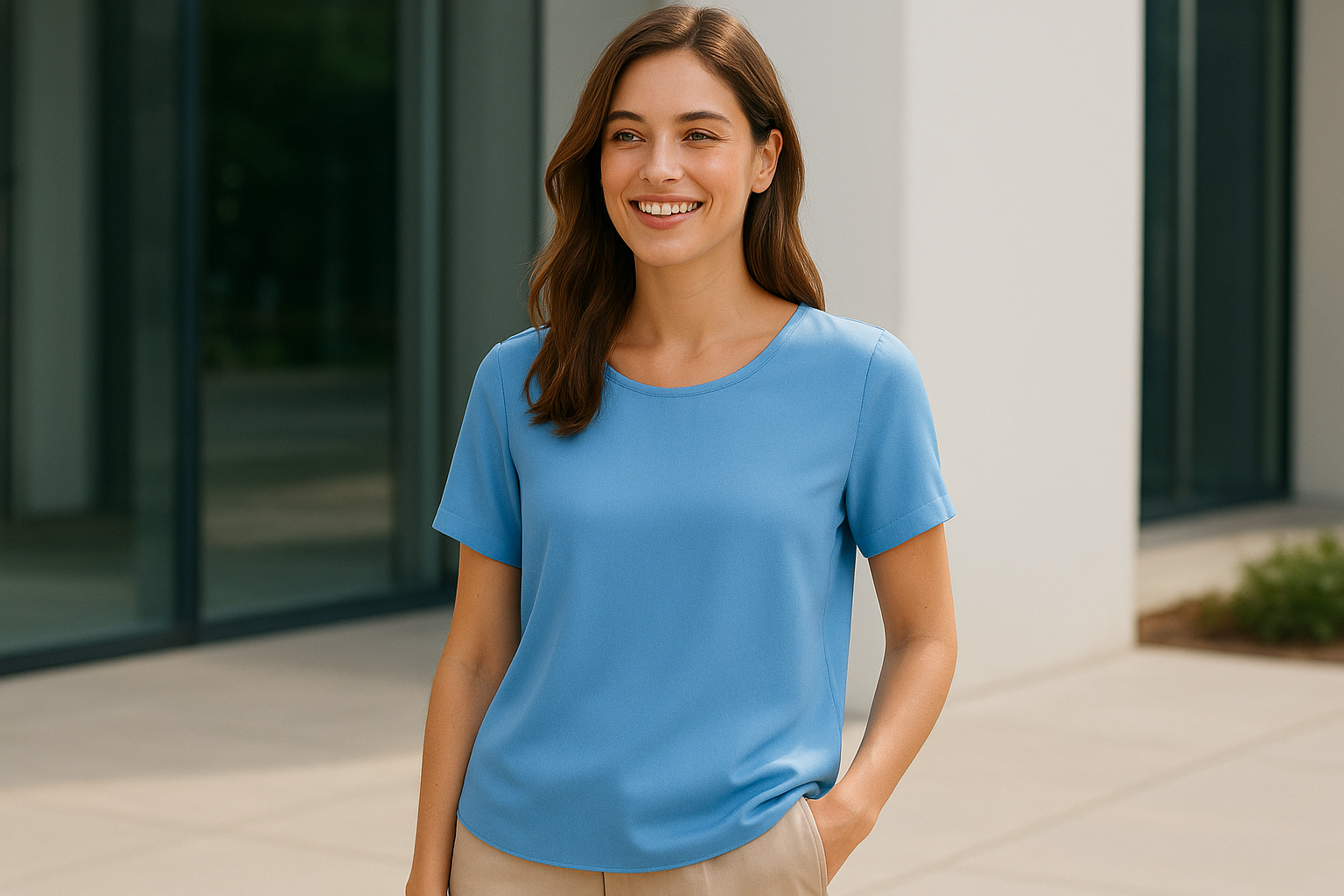
Tencel and lyocell represent the same innovative fabric, with Tencel being the trademarked brand name for lyocell. This semi-synthetic material comes from wood pulp, typically eucalyptus trees, and delivers exceptional comfort in hot conditions. The production process creates smooth, breathable fibers that feel luxurious against your skin while keeping you cool throughout the day.
Why it stays cool
The fiber structure of Tencel creates microscopic channels that wick moisture away from your skin three times faster than cotton. These channels allow air to circulate freely while pulling sweat to the surface where it evaporates quickly. Unlike synthetic fabrics that trap heat, Tencel naturally regulates your body temperature by adjusting to environmental conditions.
Tencel's unique fiber structure makes it one of the best fabric for hot weather choices available today.
When to wear it
You'll appreciate Tencel most during humid summer days when other fabrics cling uncomfortably to your body. This fabric works perfectly for office settings, casual outings, and travel since it resists wrinkles and maintains a polished appearance. The smooth texture transitions seamlessly from morning meetings to evening dinners without showing wear. If you want a dependable basic built entirely around these temperature-regulating fibers, a classic piece like the Sabrina Boatneck 3/4 Sleeve Top provides an airy, flattering feel that flows elegantly through hot afternoons.
Styling and fit tips
Choose relaxed or regular fit styles in Tencel to maximize airflow around your body. The fabric drapes beautifully without clinging, so you can select fitted silhouettes without sacrificing comfort. A sleeveless option like the Christina Boatneck Sleeveless Shell works perfectly on its own during a sunny heatwave or acts as a breathable layer underneath structured summer blazers.
Care tips to make it last
Machine wash your Tencel garments in cold water on a gentle cycle to preserve the fibers. The fabric dries quickly and resists wrinkles naturally, eliminating the need for ironing. Hang or lay flat to dry for best results, and avoid high heat in the dryer to maintain the fabric's smooth texture. For a beautiful open-neck option that stays crisp and pristine with standard gentle care, the Deborah 3/4 Sleeve V-Neck Top is an excellent addition to your regular rotation.
2. Linen
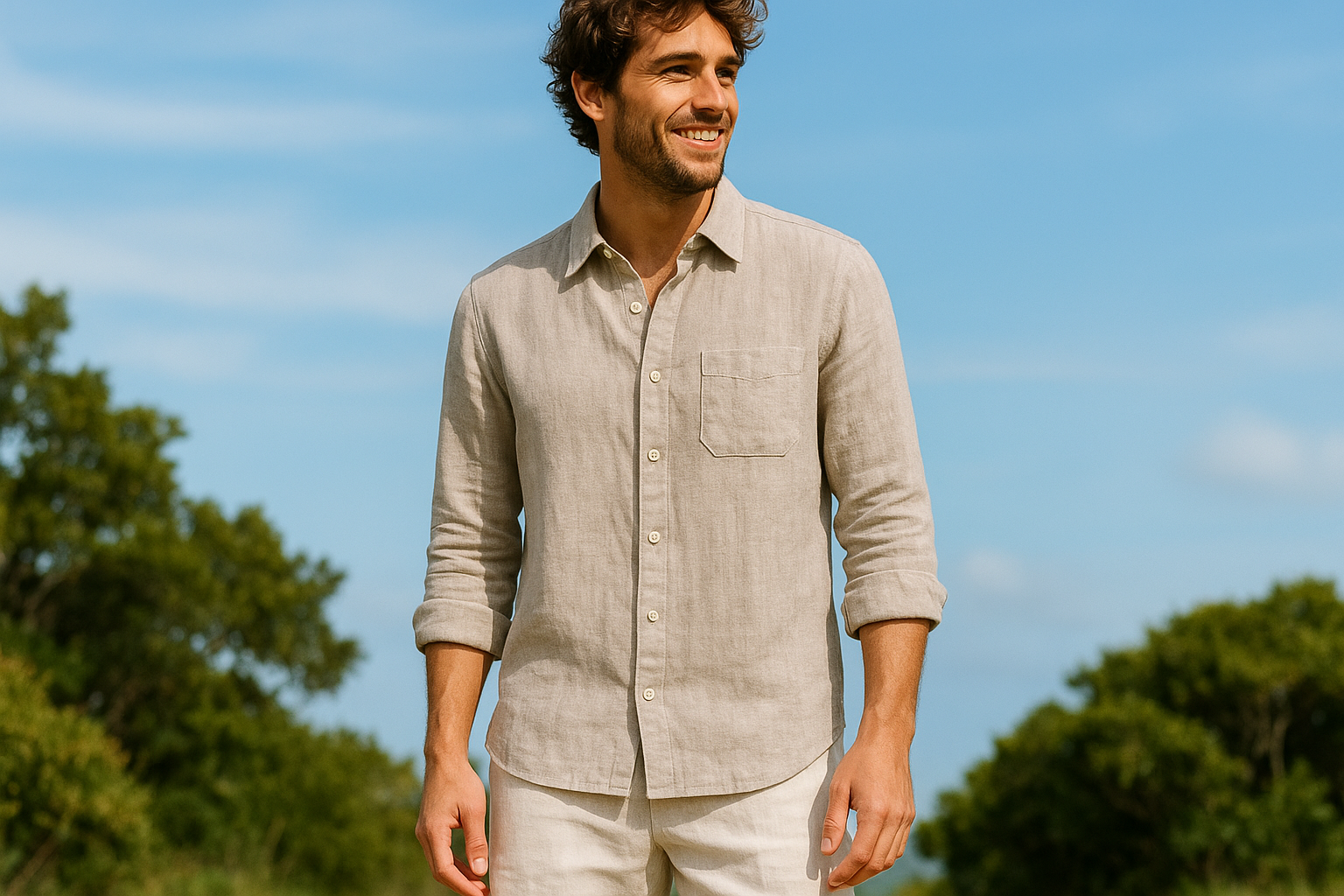
Linen stands as a timeless summer fabric that has kept people cool for thousands of years. Made from flax plant fibers, this natural textile features a distinctive texture and relaxed appearance that defines casual summer style. The straight fiber structure sets linen apart from cotton's tangled weave, creating superior breathability and moisture management.
Why it stays cool
The straight, loosely woven fibers in linen create natural space for air to flow through the fabric. These fibers absorb less moisture than cotton while allowing sweat to evaporate quickly from your skin. Linen feels noticeably cooler to the touch because the flax fibers conduct heat away from your body efficiently.
Linen's exceptional breathability and quick drying properties make it one of the best fabric for hot weather options, particularly in humid climates.
When to wear it
Linen works perfectly for casual summer outings, beach vacations, and weekend gatherings where a relaxed look fits the occasion. The fabric's natural wrinkles add character rather than looking sloppy, making it ideal for outdoor events and travel. Reserve your linen pieces for informal settings since the textured appearance rarely suits formal business environments. When you want a non-clinging alternative with a similar breezy aesthetic but with added structure, a relaxed-cut piece like the Karen Relaxed Fit 3/4 Sleeve V-Neck Top provides an open drape that keeps air moving freely without bunching up.
Styling and fit tips
Choose looser fitting linen garments to maximize the cooling airflow between the fabric and your skin. Lighter colors like white, cream, and pale blue reflect heat most effectively, though deeper tones work well for evening wear. Embrace the natural wrinkles as part of linen's authentic charm rather than fighting against them.
Care tips to make it last
Warm-weather styles look best when they offer a little extra length to prevent binding. If you like extended coverage that floats effortlessly over your favorite bottoms, an elongated option like the Sandra V-Neck 3/4 Sleeve Tunic delivers that coveted fluid movement while standing up beautifully to simple line-drying routines.
3. Cotton and seersucker
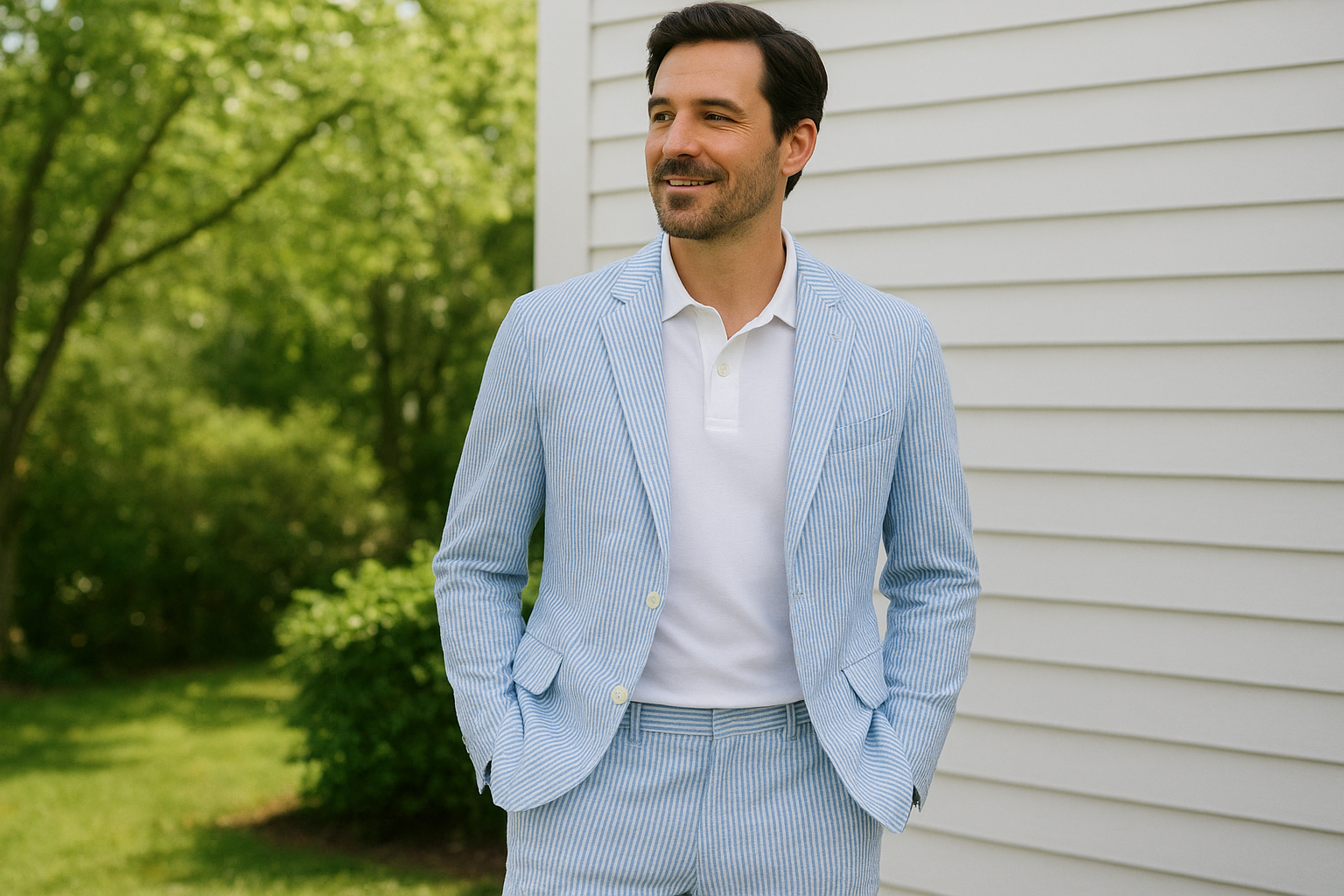
Cotton remains the most popular natural fiber for hot weather clothing, while seersucker represents a specialized cotton weave that enhances cooling properties. Pure cotton absorbs moisture from your skin and allows decent airflow, though it holds onto sweat longer than modern alternatives. Seersucker's puckered texture creates air pockets between the fabric and your body, making it particularly effective for humid conditions.
Why it stays cool
Cotton's natural fibers absorb up to 25% of their weight in moisture before feeling damp, pulling sweat away from your skin initially. The material allows air to pass through its woven structure, though the tangled fibers don't release moisture as quickly as linen or Tencel. Seersucker's distinctive puckered surface creates elevated ridges that minimize skin contact and maximize airflow underneath the fabric.
Seersucker's unique texture makes it one of the best fabric for hot weather options when you need professional appearance in humid climates.
When to wear it
Cotton works well for everyday casual wear, running errands, and relaxed social gatherings where comfort matters most. Seersucker suits business casual environments, summer weddings, and outdoor events that require a polished look without formal stiffness. Both fabrics perform better in dry heat than extreme humidity since cotton retains moisture longer than other options. For an elegant, complete ensemble that feels light as a feather from morning until your evening dinner plans, styling the Carole V-Neck 3/4 Sleeve Dress ensures a sleek vertical silhouette that keeps you cool under pressure.
Styling and fit tips
Select 100% cotton garments rather than cotton blends to maximize breathability and natural cooling effects. Seersucker's textured appearance works best in classic colors like blue, white, or striped patterns that complement its traditional aesthetic. Lighter shades reflect heat more effectively while showing sweat stains less obviously than darker tones.
Care tips to make it last
Machine wash cotton items in warm or cold water depending on color fastness and fabric weight. Both cotton and seersucker benefit from tumble drying on medium heat or line drying to prevent excessive shrinkage. Press cotton with a hot iron when needed, though seersucker's puckered texture intentionally resists ironing to maintain its cooling properties.
4. Lightweight merino wool
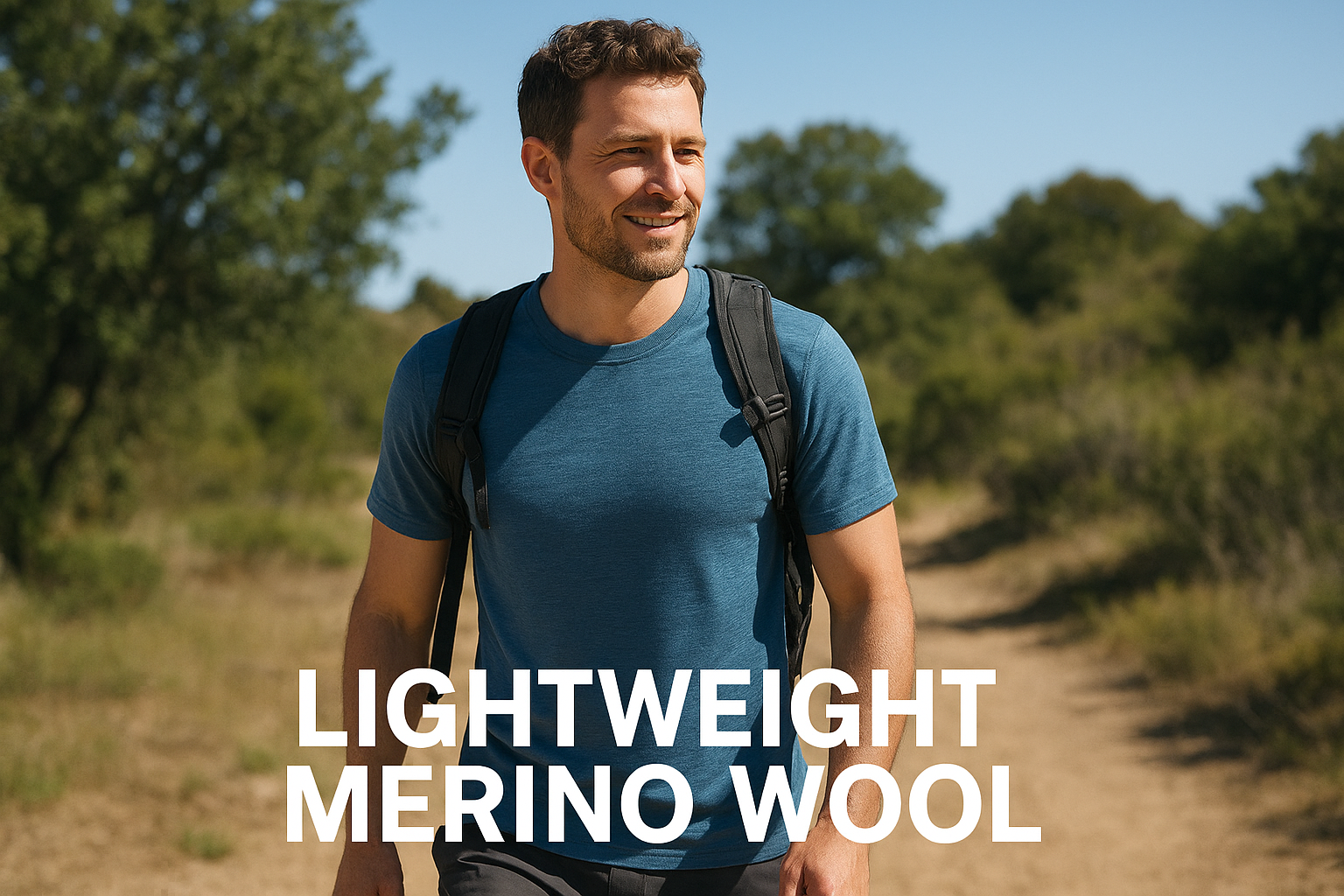
Merino wool surprises most people as a hot weather fabric since wool typically brings winter sweaters to mind. This specialized wool comes from merino sheep and features ultra fine fibers that work differently than traditional wool. The lightweight varieties provide natural temperature regulation that keeps you comfortable across varying summer conditions.
Why it stays cool
Merino's crimped fiber structure traps tiny air pockets that insulate you from external heat while wicking moisture away from your skin. These fibers absorb up to 30% of their weight in moisture without feeling damp, then release it through evaporation at the fabric's surface. The material also provides natural odor resistance, keeping you fresh throughout long, hot days.
Lightweight merino wool's unique ability to regulate temperature makes it surprisingly effective as one of the best fabric for hot weather choices for active lifestyles.
When to wear it
You'll appreciate merino wool during outdoor activities, travel, and unpredictable weather days when temperatures fluctuate between air conditioned spaces and hot environments. The fabric works particularly well for hiking, walking tours, and summer adventures where you need clothing that performs through varying activity levels and climate conditions.
Styling and fit tips
Choose fitted or regular fit merino pieces since the fabric works best with some contact against your skin for moisture wicking. Lighter weights measured in 150-200 grams per square meter provide optimal cooling without bulk. Neutral colors like gray, navy, and tan hide any signs of activity better than lighter shades.
Care tips to make it last
Hand wash or machine wash your merino garments on delicate cycle with cold water using wool specific detergent. The fabric dries relatively quickly when laid flat or hung to dry. Never wring out excess water or use high heat, as this causes shrinkage and damages the natural fibers.
5. Technical moisture wicking knits
Technical knits blend synthetic fibers like polyester and nylon with specialized weaving techniques to create high performance fabrics. These materials originate from the athletic wear industry but now appear in everyday clothing designed for hot weather. Modern technical knits incorporate advanced features that actively manage moisture and heat better than traditional synthetics.
Why it stays cool
Technical knits use engineered fiber structures that pull sweat away from your skin through capillary action, spreading moisture across a larger surface area for rapid evaporation. The synthetic fibers themselves don't absorb water, so they dry exponentially faster than natural materials. Many technical fabrics also incorporate mesh panels or perforated zones that increase ventilation in high heat areas like your back and underarms.
Technical moisture wicking knits represent the best fabric for hot weather when you need guaranteed quick drying performance during active days.
When to wear it
You'll find technical knits most valuable during exercise, outdoor activities, and travel where you need reliable moisture management. These fabrics excel in extremely humid conditions where natural fibers struggle to dry quickly. Consider technical knits for active commutes, sports activities, and situations where you can't change clothes after sweating.
Styling and fit tips
Modern technical knits now come in professional looking styles beyond traditional athletic wear, including dress shirts and casual tops. Choose fitted or semi fitted cuts since the moisture wicking works best with fabric touching your skin. Darker colors and patterns hide sweat marks more effectively than light solid colors in synthetic materials.
Care tips to make it last
Wash your technical garments in cold water on a regular cycle to preserve the moisture wicking properties. These fabrics dry incredibly fast, often within an hour of washing. Skip fabric softener completely, as it coats the fibers and reduces their ability to wick moisture effectively.
Wrap up
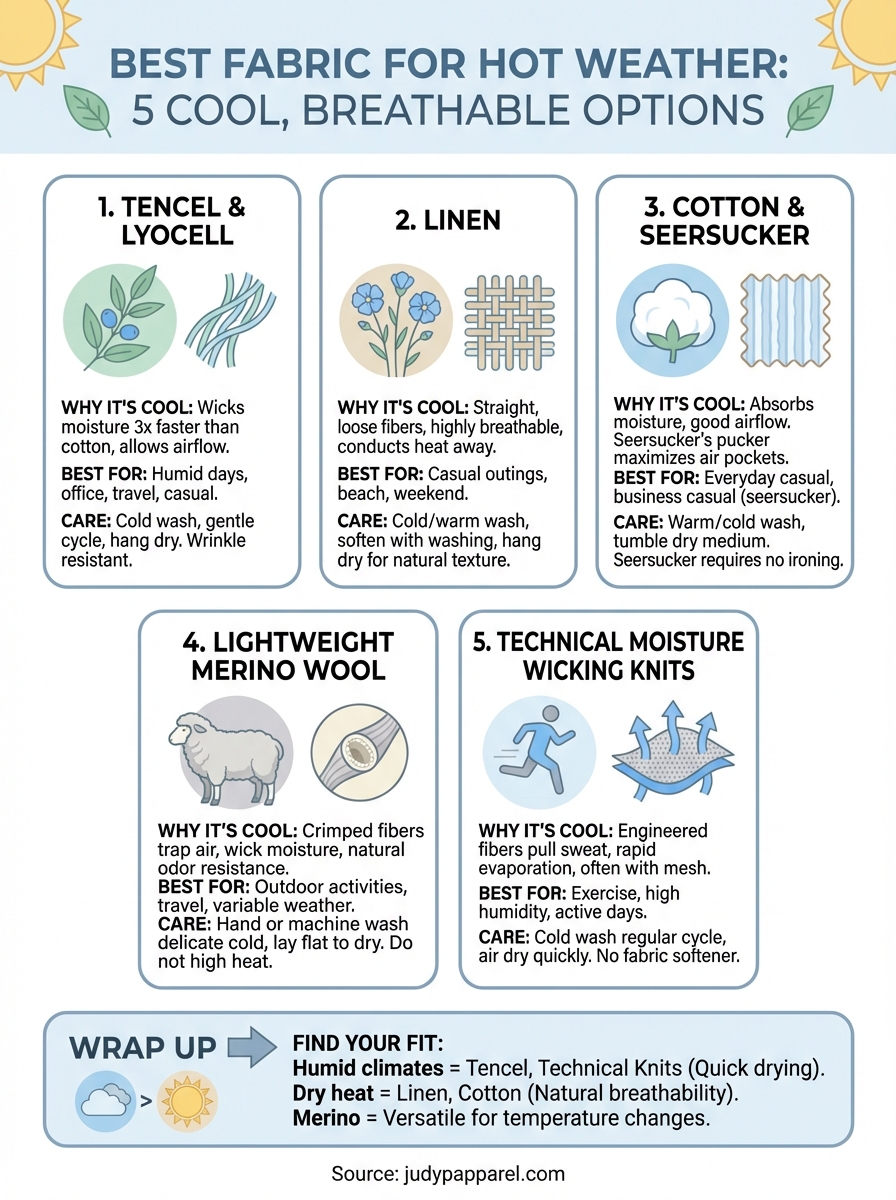
Finding the best fabric for hot weather comes down to understanding how different materials manage moisture and airflow against your skin. Tencel and technical knits excel at rapid moisture wicking, while linen and cotton provide natural breathability that feels comfortable throughout the day. Lightweight merino wool offers versatility across temperature changes, making it valuable for unpredictable summer conditions.
Your choice depends on your specific needs and environment. Humid climates demand quick drying fabrics like Tencel or technical knits, while dry heat works well with any of these materials. Consider your daily activities, preferred fit, and care routine when selecting new pieces.
Ready to experience the exceptional cooling properties of Tencel firsthand? Discover JudyP Apparel's collection of American made Tencel tops, tunics, and dresses designed specifically for comfort in hot weather, complete with UPF 50+ sun protection and wrinkle resistant convenience.
Featured Products & Collections
- Shop Product: Sabrina Boatneck 3/4 Sleeve Top
- Shop Product: Christina Boatneck Sleeveless Shell
- Shop Product: Deborah 3/4 Sleeve V-Neck Top
- Shop Product: Karen Relaxed Fit 3/4 Sleeve V-Neck Top
- Shop Product: Sandra V-Neck 3/4 Sleeve Tunic
- Shop Product: Carole V-Neck 3/4 Sleeve Dress
- Browse Collection: JudyP Apparel Tops Essentials