
You open your closet every morning to a packed rack of clothes, and somehow, nothing feels right. That frustration is exactly what pushes most women to create a minimalist wardrobe: fewer pieces, more outfits, and a lot less decision fatigue. But getting from an overflowing closet to a curated collection of clothes you actually love? That part trips people up.
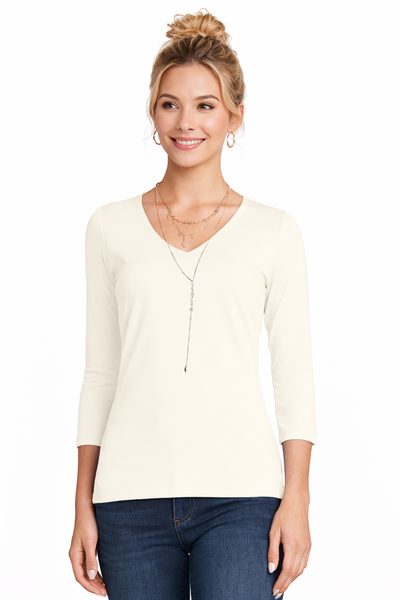
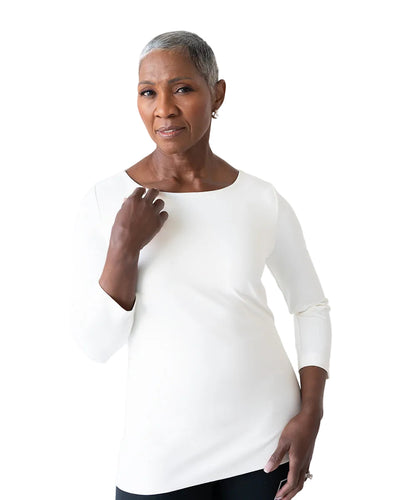
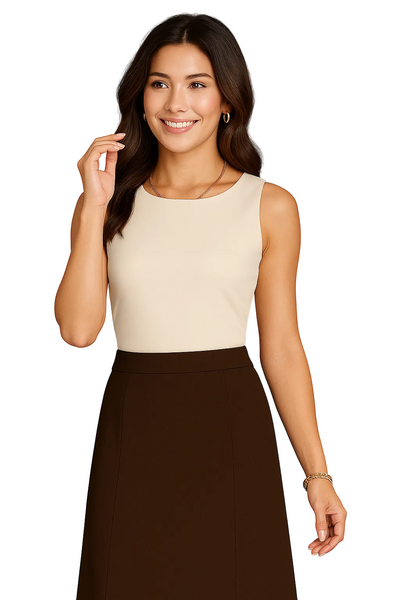
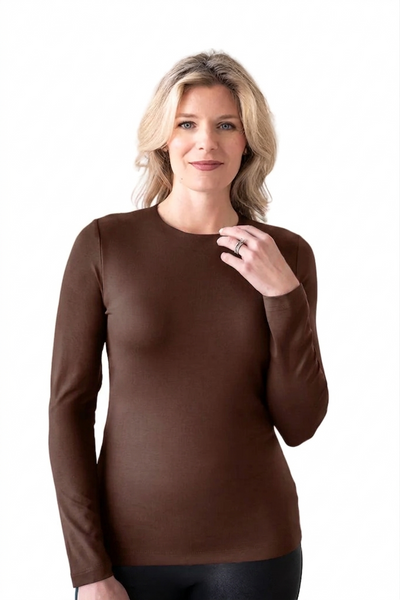
A minimalist wardrobe isn't about owning as little as possible. It's about owning the right things, versatile, high-quality pieces that work across multiple occasions and mix effortlessly together. At JudyP Apparel, this philosophy drives everything we make. Our microfiber-spandex blend tops, tunics, and dresses are designed to be exactly the kind of hardworking essentials a simplified wardrobe depends on: wrinkle-resistant, easy to care for, and flattering enough to move from a morning coffee run to an afternoon meeting without a second thought.
This guide walks you through the entire process step by step, from auditing what you already own, to identifying gaps, to building a streamlined wardrobe that actually works for your daily life. No vague advice, no unrealistic rules. Just a practical framework you can start using today.
What a minimalist wardrobe is and how big it should be
A minimalist wardrobe is a curated collection of clothing you actually reach for, not a closet stuffed with impulse buys you haven't touched in two years. The goal isn't to reduce everything down to ten pieces and declare victory. It's to keep only the clothes that fit your real life, mix well with each other, and hold up through regular wear. Every item earns its place, and nothing sits on a hanger collecting dust.
The core idea behind minimalist dressing
When you create a minimalist wardrobe, the focus shifts from quantity to intentional selection. Instead of buying whatever catches your eye on sale, you build around a consistent color palette, a handful of versatile silhouettes, and pieces that work across multiple occasions. A well-chosen top that handles a casual weekend, a work meeting, and a dinner out covers three different scenarios with a single item. That kind of multi-use functionality is what separates a true minimalist wardrobe from simply owning fewer things.
The real measure of a minimalist wardrobe isn't how small it is, but how useful every single piece in it actually is.
Most people also find that a wardrobe built on this principle costs them less over time. You stop purchasing items that fill an apparent gap for a week before you realize they don't work with anything else you own. Instead, you start investing in higher-quality, longer-lasting pieces that work harder across your whole wardrobe, which means fewer replacements, fewer regret purchases, and far less clutter building up again.
Building around versatility also changes how you shop. Rather than chasing trends, you look for timeless silhouettes and reliable fabrics that stay wearable season after season. This shift in thinking is one of the biggest practical benefits of adopting a minimalist approach to your closet.
How many pieces you actually need
There is no single correct number, and anyone who gives you a rigid figure is oversimplifying. The right size depends on your lifestyle, your climate, and how often you do laundry. That said, most wardrobe experts point to a range of 30 to 50 total items as a practical starting point, covering tops, bottoms, dresses, outerwear, and shoes combined.
A more useful way to think about sizing your wardrobe is by category rather than total count. Here's a reference table you can use as a baseline and adjust to your own life:
| Category | Suggested Range |
|---|---|
| Tops and blouses | 7 to 10 |
| Bottoms (pants, skirts) | 4 to 6 |
| Dresses and jumpsuits | 3 to 5 |
| Outerwear (jackets, coats) | 2 to 3 |
| Shoes | 4 to 6 |
| Accessories (scarves, belts) | 3 to 5 |
These numbers are not rigid rules. If you work in a formal office five days a week, your top count may need to climb higher. If you live somewhere warm year-round, your outerwear category might shrink to a single lightweight layer. Adjust each category to reflect your actual routine, not some idealized version of how you think you should dress.
What matters most is that every item you keep has a clear and specific role in your wardrobe. If you pick up a piece and cannot immediately picture at least three distinct ways to wear it, that's a strong signal it may not belong in a minimalist setup. This one question will work as your filter throughout every step that follows in this guide.
Step 1. Audit your closet and define your real needs
Before you can create a minimalist wardrobe, you need an honest picture of what you actually own and what you actually wear. Most people discover two things during an audit: far more clothing than they realized and a surprisingly small rotation of pieces they reach for consistently. This step forces that reality into the open so every decision you make afterward is grounded in fact, not assumption.
Pull everything out at once
Start by removing every single item from your closet and drawers and placing it all on your bed or the floor. Seeing the full volume in one place breaks the mental habit of treating your closet as a series of separate sections. When everything is spread out, patterns become obvious: duplicate colors, identical silhouettes bought at different points, and pieces still wearing their original tags.
Work through one category at a time, starting with tops, then bottoms, then dresses, then outerwear. Grouping by category rather than shoveling everything back at once keeps the process manageable and shows you exactly how many of each type you own before you make a single decision.
Don't rush this part. The discomfort of seeing everything spread out is exactly what sharpens your decision-making.
Apply a simple keep-or-cut filter
Pick up each item and run it through this quick filter before deciding whether it goes back:
- Have you worn it in the last 12 months? If no, it earns no place in a minimal wardrobe.
- Does it fit your body right now, not the body you plan to have?
- Can you name at least three outfits it works in with things you already own?
- Is it in good condition, free from pilling, fading, or visible damage?
If an item fails two or more checks, move it to a donate or sell pile. Keeping items "just in case" is the single fastest way to watch a minimal wardrobe turn back into a cluttered one.
Map your actual lifestyle
After the physical sort, spend ten minutes listing how you actually spend your days across a typical week. Break your time into rough percentages across categories like work, errands, social occasions, exercise, and travel. A woman working from home three days a week has very different wardrobe requirements than one commuting to a formal office daily.
Use those percentages to decide how many items each lifestyle category deserves. If 60 percent of your week is casual, your wardrobe should reflect that ratio rather than an artificial even split that leaves you with more formal pieces than you can realistically use.
Step 2. Pick a color palette and outfit formulas
Once you know what you own and how you actually live, the next step is to give your wardrobe a consistent visual logic. Choosing a color palette and a set of repeatable outfit formulas is what turns a reduced closet into a functional one. Without this step, you end up with fewer clothes that still don't mix well, which defeats the purpose of trying to create a minimalist wardrobe in the first place.
Choose a neutral base with one or two accent colors
Start by selecting three to four neutral colors that will anchor your wardrobe. Neutrals are the foundation because they combine with almost anything, which means every piece you buy in a neutral automatically multiplies the number of outfits you can put together. Strong options include navy, black, white, grey, camel, and olive. Pick the ones that work well with your skin tone and show up most in the clothes you already kept.
Once your neutrals are set, limit yourself to one or two accent colors that complement them rather than compete.
Your accent colors add personality without creating combination problems. If your neutrals are navy and white, a soft terracotta or a muted sage works as an accent. Two accent colors maximum keeps your palette cohesive. More than that, and you start accumulating pieces that only pair with a narrow slice of your wardrobe, which is exactly the pattern you're trying to break.
| Palette Component | Examples | Quantity |
|---|---|---|
| Neutral base | Navy, black, camel, white | 3 to 4 colors |
| Accent colors | Terracotta, sage, burgundy | 1 to 2 colors |
Build outfit formulas you can repeat
An outfit formula is a reliable structure you reuse across different pieces rather than reinventing your look from scratch each morning. Think of it as a template: swap the specific items out, but keep the overall structure the same. Here are four formulas that cover most everyday scenarios:
- Casual: Relaxed top + straight-leg pant + flat shoe
- Work: Fitted tunic + tailored trouser + low heel
- Weekend: Dress + light layer + sneaker or sandal
- Polished casual: Structured blouse + dark jean + ankle boot
Keep these formulas written somewhere visible during your next few weeks of dressing. You will find that three or four formulas cover the large majority of your daily situations, and the repetition makes getting dressed faster rather than boring.
Step 3. Build your core capsule using what you own
Now that your closet is edited and your color palette is set, you are ready to assemble your core capsule from the clothes you already decided to keep. Most people skip straight to shopping at this point, which is a mistake. Starting from what you own first reveals exactly what you have before spending a single dollar on anything new.
Group your kept pieces by outfit formula
Take your kept items and physically match them to the outfit formulas you defined in Step 2. Lay each top next to every bottom and shoe it actually works with, then count the complete, wearable outfits each combination produces. Any item that only pairs with one or two other pieces in your wardrobe is a strong candidate for removal, regardless of what it cost. When you create a minimalist wardrobe, versatility is the only measure that matters.
Use this template to map each piece before committing to keep it:
| Item | Pairs With | Occasions Covered | Total Outfits |
|---|---|---|---|
| Navy tunic | Black trouser, grey jean | Work, casual | 4 |
| White short sleeve top | Camel pant, navy skirt | Weekend, errands | 3 |
| Relaxed dress | Denim jacket, cardigan | Casual, dinner out | 3 |
If a piece generates fewer than three outfit combinations, it is working against your capsule rather than for it.
Confirm your capsule covers your actual lifestyle
Go back to the lifestyle percentages you mapped in Step 1. Compare your assembled outfit combinations against those numbers and check whether your capsule actually reflects how you spend your time. If 60 percent of your week is casual but most of your assembled outfits lean formal, you have a gap. This is not a shopping list yet; it is simply a clear picture of what is missing before you move forward.
Run through this checklist before moving to Step 4:
- Do you have at least five ready-to-wear casual outfits?
- Does every workday have a distinct outfit option without back-to-back repeats?
- Can you cover at least two different social occasions with what you currently own?
- Are all capsule pieces in good condition and the right fit today?
Check every box and your core capsule is solid. Note any gaps you identify, because those specific gaps become your focused shopping list in the next step.
Step 4. Fill gaps with versatile, high-wear pieces
The gaps you identified at the end of Step 3 are your only shopping mandate now. When you create a minimalist wardrobe, buying without a specific list is exactly what overfilled your closet in the first place. Every piece you add from this point forward should solve a clearly named problem, not a vague feeling that something might be missing.
Shop with a specific list, not a general idea
Turn each gap you noted into a precise shopping brief before you browse anything. A vague gap like "I need more tops" leads to impulse purchases that solve nothing. A specific gap like "I need one long-sleeve navy top that works with my camel trouser and grey jean" leads to a single, targeted buy that actually closes the hole in your wardrobe.
Use this template to convert each gap into a brief before you look at a single item:
| Gap | Specific Item Needed | Must Pair With | Occasions to Cover |
|---|---|---|---|
| Missing casual layer | Relaxed ¾-sleeve top in neutral | Grey jean, navy trouser | Weekend, errands |
| No warm-weather option | Lightweight midi dress in white or sage | Sandal, flat | Casual, dinner out |
| Lacking a work-ready top | Fitted long-sleeve blouse in navy | Black trouser, camel pant | Office, meetings |
Carry this list when you shop. If an item is not on it, skip it regardless of price or appeal. This single constraint is the fastest way to stop your capsule from drifting back toward clutter within a few months.
Prioritize high-wear fabric over low price
A piece that performs across three different occasions earns its place far more than a statement item you only reach for once.
Every gap-fill purchase deserves two direct questions before it goes in your cart: how many complete outfits will it actually create, and how well will the fabric hold up through regular washing and wearing? Trendy materials that pill after four washes or require dry cleaning will cost you more time and money than whatever you saved at the register.
Wrinkle-resistant, breathable fabrics like microfiber-spandex blend are worth prioritizing here because they travel well, hold their shape, and require almost no effort between wears. One well-made top in a quality fabric will outlast three budget alternatives and keep your capsule fully functional without constant replacement shopping. Once you find the specific piece that fills your gap, verify it meets the palette and outfit formula requirements you set in Step 2, then stop. Your shopping for this round is done.
Step 5. Set rules that keep your wardrobe minimal
Shopping with intention and editing your closet are one-time actions. Keeping your wardrobe minimal over time requires a small set of rules you apply consistently, not just during a seasonal purge. Without a system, the same habits that filled your closet the first time will fill it again, slowly and almost invisibly, until you are back where you started.
Use the one-in-one-out rule
The simplest rule you can adopt is also the most effective: every time a new item enters your wardrobe, one item leaves. This constraint forces a real comparison before any purchase. If you cannot immediately identify what you would remove to make room for the new piece, that is a clear signal you do not actually need it. Apply this rule to every acquisition, including gifts, sale items, and things you pick up without planning to.
A purchase that does not displace anything is almost always a purchase you do not need.
This rule also changes how you evaluate new clothing before you buy it. Instead of asking whether you like a piece, you ask whether it is worth more to your wardrobe than whatever it would replace. That shift in framing eliminates a significant portion of low-value purchases before they happen and keeps your total count stable without requiring a full audit every month.
Build a waiting period into your shopping
Impulse shopping is the fastest way to undo the work you put into building your capsule. Set a mandatory 48-hour waiting period before buying any clothing item that is not on your specific gap list. Most impulse buys lose their appeal within two days. The ones that still feel necessary after 48 hours are far more likely to be genuine wardrobe additions rather than momentary distractions.
Schedule a quarterly review
Four times a year, run a short audit of your wardrobe using the same keep-or-cut filter from Step 1. Set a calendar reminder so the review happens consistently rather than only when your closet starts feeling crowded again. Each quarterly check takes less than 30 minutes once your wardrobe is already streamlined, and it catches drift before it becomes a full problem.
When you create a minimalist wardrobe, maintenance is the part most people skip, but it is what separates a one-time declutter from a lasting change in how you dress. These three rules together handle the vast majority of situations that cause minimal wardrobes to quietly expand back into clutter.
Quick frameworks and checklists you can copy
The steps above give you a full process, but sometimes you need a fast reference you can pull up while standing in front of your closet or at a checkout counter. The frameworks and checklists below condense the most important decisions into tools you can use immediately without rereading the entire guide. Copy them into a notes app, print them, or write them on an index card. The format matters far less than actually having them on hand when you need them.
The 30-day new item test
Before adding anything to your wardrobe, run it through this quick checklist. If you answer no to two or more questions, put the item back.
- Does this item fit within your current color palette?
- Can you name three specific outfits it works in with clothes you already own?
- Does it cover a gap on your active shopping list, not just a general feeling?
- Is the fabric durable enough for regular washing and weekly wear?
- Would you still want this item if it were full price?
- Can you name one item you would remove from your wardrobe to make room for it?
A new piece that passes all six checks is almost always a genuine addition. One that fails two or more is almost always an impulse buy.
Your capsule wardrobe starter checklist
Use this checklist when you create a minimalist wardrobe from scratch or after a major edit. It covers the minimum functional set most lifestyles require before you add anything specific to your situation.
| Category | Minimum Pieces | Notes |
|---|---|---|
| Neutral tops | 5 | Mix of short and long sleeve |
| Accent tops | 2 | Must pair with at least 3 bottoms each |
| Bottoms | 4 | At least 1 casual, 1 work-appropriate |
| Dresses | 2 | One casual, one that can dress up |
| Outerwear | 2 | One light layer, one warm option |
| Shoes | 4 | Casual flat, work shoe, sandal, boot |
The outfit-per-item benchmark
This single calculation keeps your wardrobe honest over time. Divide the number of complete outfits a piece appears in by the number of times it occupies a hanger in your closet. Any item generating fewer than three outfit combinations is underperforming and worth reconsidering at your next quarterly review.
Apply the benchmark whenever you do your 90-day wardrobe check, and flag any item that scores below the threshold two reviews in a row. Those are the pieces quietly adding clutter without contributing to how you actually dress.
Your next step
You now have everything you need to create a minimalist wardrobe that works for your actual life. The audit, the color palette, the outfit formulas, the gap list, and the maintenance rules all work together as a complete system. The only thing left is to start, and the best place to begin is pulling everything out of your closet and running it through the keep-or-cut filter from Step 1.
Once your wardrobe is built around pieces that are genuinely versatile and easy to wear, the quality of your fabrics becomes the biggest factor in how long that simplicity holds. microfiber-spandex blend tops, tunics, and dresses from JudyP Apparel are designed to be exactly the kind of hardworking, wrinkle-resistant essentials a streamlined wardrobe depends on, made in the USA and available in a wide range of colors that fit cleanly into any palette you choose.
Shop the Capsule Collection Essentials
Deborah 3/4 Sleeve V-Neck Top
$94.00
Stephanie Scoop Neck Tank Top
$84.00
Sandra V-Neck 3/4 Sleeve Tunic
$112.00
Carole V-Neck 3/4 Sleeve Dress
$140.00