Skip to content
English Chevron
United States USD Chevron

What Is Smart Casual? Definition, Outfit Ideas, and Rules

What Is Smart Casual? Definition, Outfit Ideas, and Rules

Smart casual sits between dressy and relaxed. Think polished separates that look put together without the stuffiness of formal business wear. You might wear dark jeans with a blazer, or tailored trousers with a crisp shirt. The goal is to look intentional and refined while staying comfortable enough for everyday situations.

This dress code confuses people because it varies by context. What works for a weekend brunch might not cut it for a client dinner. But once you understand the core principles, you can adapt smart casual to any occasion. This guide breaks down exactly what smart casual means, why it matters, and how to pull it off with confidence. You'll find specific outfit formulas for both women and men, learn which pieces anchor a smart casual wardrobe, and discover how this style differs from business casual. We'll also cover the most common mistakes people make so you can avoid them. By the end, you'll know how to dress smart casual for any situation without overthinking it.

Why smart casual matters

Smart casual has become the default dress code for modern professional and social situations. You encounter it everywhere from corporate offices that ditched strict suit requirements to restaurants that expect diners to look presentable without wearing evening attire. Understanding this dress code gives you confidence in diverse settings and helps you avoid the awkwardness of showing up either overdressed or underdressed. When you master smart casual, you navigate social and professional environments more smoothly because you know exactly what to wear.

It bridges formal and casual contexts

Most situations today fall somewhere between strictly formal and completely casual. You might attend a client meeting in a creative industry, grab drinks with colleagues after work, or meet friends for dinner at an upscale restaurant. Smart casual fits all these scenarios because it adapts to different levels of formality. The dress code respects the occasion without making you look like you tried too hard. You can dress it up with a structured blazer or dress it down with clean sneakers, depending on where you're going.

Smart casual gives you the flexibility to move from professional settings to social environments without changing your entire outfit.

You gain versatility in your wardrobe

Building a smart casual wardrobe saves you money because the same pieces work across multiple contexts. A well-fitted pair of trousers pairs with both a button-down shirt for work and a relaxed sweater for weekend plans. This approach means you buy fewer clothes but get more use from each item. When your closet centers on smart casual staples, getting dressed takes less mental energy because everything coordinates naturally. You spend less time deciding what to wear and more time focusing on what matters.

It signals social awareness

Dressing appropriately shows you understand and respect the environment around you. Smart casual demonstrates consideration for the people hosting an event or the atmosphere of a workplace. When you dress with intention, you tell others that you took time to prepare and care about making a good impression. This awareness helps in professional networking, job interviews at modern companies, and social gatherings where first impressions count.

How to dress smart casual

You build a smart casual outfit by striking a balance between professional polish and relaxed comfort. The key lies in selecting pieces that look intentional rather than thrown together at the last minute. Start by considering where you're going and who you'll meet, then choose items that sit one step above true casual wear. Tailored pieces with clean lines form the foundation, while relaxed elements keep the look approachable. When you master this balance, you can adapt smart casual to nearly any semi-formal situation.

Start with the occasion and setting

Different environments demand different interpretations of what is smart casual. A tech company's smart casual might include dark jeans and a collared shirt, while a law firm's version leans toward wool trousers and a blazer. You need to read the context before deciding what to wear. Consider the industry standards, the time of day, and whether you're meeting clients or colleagues. A daytime coffee meeting allows more flexibility than a dinner event at an upscale restaurant.

Look at specific situations to guide your choices. Office environments with smart casual policies typically expect button-down shirts, blouses, chinos, or dress pants paired with closed-toe shoes. Social gatherings like cocktail parties or dinner reservations call for dressier fabrics like silk, wool, or high-quality cotton. Weekend brunches let you lean more casual with tailored jeans and a crisp top. When you match your outfit to the specific setting, you avoid looking out of place.

Balance polish with comfort

Smart casual means you prioritize both appearance and wearability. You shouldn't sacrifice comfort to look put together, nor should you choose sloppy pieces just because they feel good. Well-fitted clothing always looks more polished than oversized or overly tight garments, regardless of how casual the individual pieces are. Focus on finding items that move with your body without pulling, bunching, or restricting your movement.

The right fit transforms basic pieces into smart casual staples by creating clean lines that look intentional.

Fabric quality makes a significant difference in how casual or polished an item appears. A cotton shirt in a sturdy, smooth weave looks sharper than a thin jersey tee, even if both are technically casual. Similarly, structured fabrics like gabardine or twill elevate trousers beyond everyday joggers. You want materials that hold their shape throughout the day and resist wrinkles. Natural fibers like cotton, linen, and wool often work better than synthetic alternatives because they breathe while maintaining structure.

Choose elevated basics over casual staples

You upgrade your look by swapping ultra-casual items for refined versions of the same concept. Replace graphic tees with solid-colored crew necks in premium fabrics. Trade athletic sneakers for leather loafers or clean minimalist trainers. Swap ripped jeans for dark-wash denim or chinos in neutral colors. These small substitutions transform a casual outfit into smart casual territory without adding formality that feels stiff or overdone.

Details separate smart casual from plain casual. A collared shirt beats a regular tee. Structured shoes trump flip-flops or worn sneakers. Pressed trousers look sharper than sweatpants or distressed denim. You don't need expensive designer pieces, but you do need items that show care and attention. Clean lines, minimal branding, and classic silhouettes give you the most versatility. When each piece looks deliberate rather than accidental, your entire outfit feels smarter.

Key pieces for a smart casual wardrobe

You need a foundation of versatile pieces that work together across multiple situations. Building a smart casual wardrobe means investing in quality basics that you can mix and match rather than buying trend-driven items that quickly go out of style. Focus on neutral colors and classic cuts that transition seamlessly from professional settings to social events. When you own these essential pieces, you create dozens of outfit combinations without needing a closet full of clothes. Each item should earn its place by working with at least three other pieces in your wardrobe.

Tops and shirts

Button-down shirts form the backbone of any smart casual wardrobe. You want options in white, light blue, and neutral tones that pair with everything. Cotton and linen blends work well because they resist wrinkles while staying breathable. Women should own both fitted and relaxed silhouettes to create different looks depending on the occasion. A silk or satin blouse adds polish when you need to dress up your outfit slightly. Men benefit from oxford cloth button-downs that look sharp without feeling too formal.

Knitwear bridges the gap between casual tees and structured shirts. Crewneck sweaters in merino wool or cotton give you warmth without bulk. Lightweight cardigans layer over almost anything and add visual interest through texture. You can wear these pieces alone or under blazers when temperatures drop. Choose solid colors first, then add subtle patterns like thin stripes or small geometric prints once you have the basics covered.

Bottoms

Tailored trousers in neutral shades give you the most versatility. Women should consider options in black, navy, gray, and tan that fit well through the waist and hips without pulling or gaping. Ankle-length styles work for most body types and pair easily with both flats and heels. Men need dress pants or chinos in similar colors that sit at the natural waist and fall cleanly to the shoe without excessive break.

Dark-wash jeans earn a place in your smart casual rotation when they fit properly and lack distressing. You want denim that looks intentional rather than worn for yard work or weekend errands. Straight-leg or slim-fit cuts typically read more polished than baggy or overly tapered styles. Save light washes and ripped jeans for truly casual situations where what is smart casual doesn't apply.

Quality bottoms that fit correctly elevate your entire outfit because they create a clean silhouette that looks put together from any angle.

Footwear that balances style and comfort

Closed-toe shoes look more polished than sandals or athletic sneakers in smart casual settings. Women can choose from loafers, ballet flats, ankle boots, or low heels in leather or suede. Block heels offer stability while adding height for those who prefer it. Men should own leather oxfords or derbies in brown and black, plus a pair of clean leather loafers for warmer weather.

Minimalist sneakers work when they're made from quality materials and kept spotlessly clean. Look for leather or canvas styles in white, navy, or gray without loud branding or bright colors. These shoes bridge casual and smart better than running shoes or high-tops. You should reserve them for the most relaxed interpretation of smart casual rather than client meetings or formal dinners.

Layers and outerwear

Blazers transform almost any outfit into smart casual territory instantly. You need at least one unstructured blazer in navy or charcoal that fits through the shoulders without pulling. Women can experiment with different lengths and sleeve styles, while men should ensure the sleeves hit right at the wrist bone. Look for fabrics with slight stretch that move with you throughout the day.

Structured jackets like bomber styles or denim jackets add interest when blazers feel too dressy. Cardigans and lightweight sweaters layer easily and adapt to changing temperatures. Keep a versatile coat or trench in a neutral color for outdoor occasions. Each layer should work independently as a standalone piece while also complementing your core wardrobe items.

Smart casual vs business casual

Business casual requires more formality than smart casual while stopping short of full business attire. Business casual typically means dress pants or skirts, button-down shirts, and closed-toe dress shoes with minimal room for personal interpretation. Smart casual gives you more flexibility to incorporate relaxed pieces like dark jeans, casual shoes, or knitwear while maintaining a polished appearance. Understanding what is smart casual versus business casual helps you avoid misjudging the dress code for interviews, client meetings, or social events where expectations differ significantly.

The formality spectrum

Business casual sits closer to formal business attire on the dress code spectrum. You wear it in professional environments that dropped strict suit requirements but still expect traditional workplace clothing. Women typically choose pressed slacks or pencil skirts with tucked-in blouses, while men opt for dress pants with button-down shirts and often add a blazer. Ties remain optional in business casual settings, but the overall look stays conservative with minimal pattern mixing or bold accessories.

Smart casual relaxes these expectations by allowing more personal style to show through. You can incorporate texture, pattern, and casual fabrics that would look too informal for business casual environments. The dress code accepts denim when it's dark and well-fitted, permits stylish sneakers in some contexts, and welcomes knitwear as outerwear rather than strictly as layers. Your outfit should still look intentional and well-assembled, but you have breathing room to add interest through color or texture choices that business casual prohibits.

Smart casual gives you permission to show personality through your clothing while business casual demands uniformity across professional standards.

Key differences in specific pieces

Business casual demands certain items that smart casual considers optional. Dress shirts or blouses with collars anchor business casual outfits, while smart casual accepts quality tees, sweaters, or more relaxed tops. Footwear standards differ sharply between the two codes. Business casual requires leather dress shoes or conservative heels, but smart casual permits loafers, clean sneakers, or ankle boots that lean more casual in style.

Fabric choices separate the dress codes as much as specific garments do. Business casual favors crisp cotton, wool gabardine, and structured materials that hold professional lines throughout the workday. Smart casual welcomes softer fabrics like jersey knits, linen blends, and textured weaves that feel more relaxed. You also see different color palettes, with business casual trending toward neutrals and conservative tones while smart casual accepts bolder colors and subtle patterns without raising concerns about professionalism.

When to choose which dress code

Choose business casual for traditional corporate environments, client-facing roles in conservative industries, and formal work events where you represent your company. You default to this dress code when interviewing at established firms or attending professional conferences. Err toward business casual rather than smart casual when you're uncertain about expectations because overdressing creates fewer problems than showing up too casually.

Smart casual works for creative industries, tech companies, casual office environments, and most social situations that require looking presentable. You wear it to networking events, dinner parties, weekend meetings, and professional gatherings outside traditional office hours. This dress code fits restaurant reservations, gallery openings, and daytime celebrations where formal attire feels excessive but athletic wear looks inappropriate.

Smart casual outfit ideas for women

You can create dozens of smart casual outfits by mixing core wardrobe pieces in different combinations. Start with neutral bottoms as your foundation, then add interest through tops, layers, and accessories. Each outfit should look complete and intentional rather than assembled from whatever happened to be clean that morning. The examples below give you specific formulas that work across professional and social situations while demonstrating exactly what is smart casual for women.

Office and professional settings

Tailored trousers paired with a silk blouse create a polished look that works for most workplace environments. You tuck the blouse in to define your waist and add a slim leather belt in a coordinating color. Finish with pointed-toe flats or low block heels in nude, black, or cognac depending on your trouser color. Layer a structured blazer over this combination when meeting clients or attending presentations. This outfit balances professionalism with comfort because the fabrics move with you throughout the day.

Dark jeans take you through casual Fridays when you style them correctly. Choose a straight or slim-fit pair in a deep indigo wash without distressing or fading. Top them with a crisp white button-down shirt that you can wear tucked or untucked depending on the jean's rise. Add loafers and a lightweight cardigan in navy or gray. You swap the cardigan for a blazer if your office leans more formal. This combination shows you understand workplace expectations while incorporating comfortable denim.

Building smart casual work outfits around quality basics means you spend less time getting dressed while looking consistently polished.

Weekend and social occasions

A midi dress in a solid color or subtle print solves the smart casual puzzle for dinners, brunches, or daytime events. You look for styles with sleeves and structured bodices that don't read as too casual or too formal. Pair the dress with ankle boots in leather or suede during cooler months, or wear strappy sandals when temperatures rise. Add a leather crossbody bag and simple jewelry like stud earrings or a delicate necklace. This single-piece outfit takes the guesswork out of smart casual dressing because the dress does most of the work.

Chinos or tailored shorts work for warm-weather occasions when pants feel too heavy. You choose a length that hits just above the knee and style them with a tucked-in sleeveless shell or short-sleeve blouse. Canvas sneakers or espadrilles keep the look casual while maintaining polish through clean lines and quality materials. Layer a denim jacket over your shoulders if you need coverage for air-conditioned spaces. This outfit adapts easily to outdoor gatherings, shopping trips with friends, or casual lunch dates.

Versatile combinations for multiple contexts

A knit midi skirt paired with a fitted turtleneck gives you texture and interest while staying comfortable. You choose a skirt in a neutral shade like charcoal, camel, or olive that pairs with multiple tops. Add ankle boots with a modest heel to elongate your silhouette. This combination transitions from work to after-hours events by swapping accessories. You keep it professional with a structured tote and minimal jewelry, or dress it up with statement earrings and a clutch for evening plans.

Smart casual outfit ideas for men

You build smart casual outfits by combining refined pieces with relaxed elements that create a polished yet approachable look. The key lies in choosing items with clean lines that fit properly through the shoulders, chest, and waist without pulling or bunching. Each piece should look intentional rather than randomly selected from your closet. The outfit formulas below demonstrate exactly what is smart casual for men across different situations, giving you specific combinations that work without requiring extensive fashion knowledge.

Work-appropriate combinations

Chinos in navy, khaki, or charcoal paired with a button-down oxford shirt create a reliable foundation for office settings that have relaxed dress codes. You tuck the shirt in and add a leather belt that matches your shoe color. Choose brown leather loafers or suede derbies to complete the look while maintaining comfort throughout the workday. Layer an unstructured blazer in gray or navy when you need additional polish for meetings or presentations. This combination works in creative agencies, tech companies, and modern professional environments where full business attire feels too formal.

Dark-wash jeans take you through casual Fridays when you style them correctly. You want a straight or slim fit in deep indigo without distressing or fading that looks too casual. Pair them with a crisp white or light blue dress shirt and brown leather belt. Add clean leather sneakers in white or navy, or upgrade to loafers if your workplace leans more conservative. Roll your sleeves to the elbow for a relaxed touch that still respects professional boundaries. Swap the dress shirt for a polo in premium cotton pique when your office allows more flexibility.

Building versatile work outfits around neutral chinos and quality shirts means you can get dressed quickly while looking consistently polished.

Casual social events

A crew-neck sweater in merino wool or cotton over a collared shirt gives you texture and visual interest for dinners, weekend gatherings, or date nights. You choose sweater colors like navy, charcoal, or burgundy that complement your skin tone and pair with multiple bottoms. Leave the shirt collar visible above the sweater neckline to add structure without wearing a full button-down alone. Combine this with dark jeans or wool trousers and finish with leather boots or clean minimalist sneakers. This outfit transitions easily from afternoon activities to evening plans without requiring a wardrobe change.

Tailored shorts in neutral tones work for warm-weather occasions that call for smart casual rather than athletic wear. You select a length that hits just above the knee in fabrics like cotton twill or linen blend. Pair them with a short-sleeve button-down shirt in a solid color or subtle pattern that you wear untucked for a relaxed feel. Canvas sneakers or leather boat shoes keep the look polished while acknowledging the casual nature of shorts. Add a lightweight bomber jacket or denim jacket when temperatures drop in the evening. This combination suits outdoor brunches, casual weddings, or summer networking events.

Adaptable looks for any occasion

A polo shirt in solid colors paired with slim-fit chinos creates a versatile outfit that works across professional and social contexts. You choose polos in navy, white, or gray made from quality cotton pique that holds its shape. Keep the fit tailored through the body without excess fabric around your torso. Pair with loafers for smarter occasions or clean leather sneakers when dressing down slightly. This combination adapts to client lunches in creative industries, weekend errands that require presentable clothing, or casual office environments. You layer a casual blazer over the polo to elevate the look for more formal situations without committing to a full dress shirt.

Common mistakes and what to avoid

You sabotage your smart casual outfit when you make predictable errors that push your look too far in either direction. Understanding what derails smart casual helps you avoid appearing underdressed or overdone for the situation. Most mistakes stem from misjudging how formal or relaxed a specific context requires you to dress. The boundary between appropriate and inappropriate often seems blurry until you recognize the patterns that consistently fail. Once you identify these common pitfalls, you dress with more confidence because you know exactly where the limits fall.

Wearing pieces that are too casual

Athletic wear belongs at the gym, not in smart casual settings. You cross into inappropriate territory when you wear sweatpants, yoga pants, athletic shorts, or sneakers designed for running or basketball. These items signal that you prioritized comfort over context, which reads as disrespectful in situations where what is smart casual applies. Graphic tees with large logos or slogans also miss the mark because they draw attention away from you and toward your clothing's message.

Distressed denim creates problems even when the fit looks good. Ripped jeans, heavily faded washes, and frayed hems read as weekend wear rather than smart casual attire. You want dark, clean denim without holes or intentional wear patterns that suggest the jeans have seen better days. Similarly, flip-flops and worn canvas shoes undermine your entire outfit regardless of how polished your top half appears. Your footwear either elevates your look or destroys it instantly.

Smart casual means every piece in your outfit serves a purpose in creating a polished yet approachable appearance.

Overdressing for the situation

Adding too many formal elements makes you look out of touch with the dress code expectations. You don't need a full suit when smart casual applies, and wearing one signals that you misunderstood the assignment. Silk ties, pocket squares, and overly structured blazers push your outfit into business or formal territory rather than maintaining the balance smart casual requires. Women create similar issues by wearing cocktail dresses, formal heels, or excessive jewelry to casual professional or social events.

Ignoring fit and fabric quality

Ill-fitting clothes destroy smart casual outfits faster than choosing the wrong item entirely. Pants that bunch at the ankles, shirts that pull across the chest, or blazers with shoulders that droop off your frame all communicate carelessness. You need proper tailoring so each piece sits correctly on your body without excess fabric or uncomfortable tightness. Quality matters as much as fit because cheap fabrics wrinkle instantly, pill after one wash, or lose their shape by midday. Investing in better materials means your clothing maintains its polished appearance throughout wear.

Bringing it all together

You now understand exactly what is smart casual and how to dress for any situation that requires this versatile dress code. The key lies in balancing polished pieces with comfortable elements that create an intentional, put-together appearance without feeling stuffy or overdone. Start with quality basics in neutral colors that work across multiple contexts, then build outfits by mixing textures, adding layers, and choosing footwear that matches your specific occasion.

Smart casual succeeds when your clothing looks deliberate rather than hastily assembled from whatever happened to be available. You focus on proper fit, quality fabrics that hold their shape, and pieces that transition smoothly between professional and social settings. Avoid the extremes of athletic wear and formal business attire, staying comfortably in the middle where polish meets practicality. When you invest in versatile wardrobe staples that serve multiple purposes, you spend less time deciding what to wear while consistently looking appropriate.

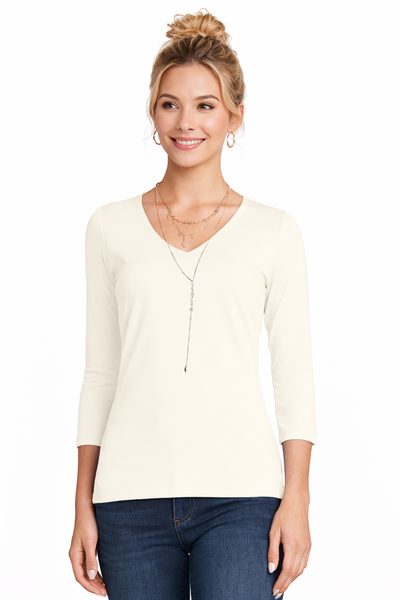
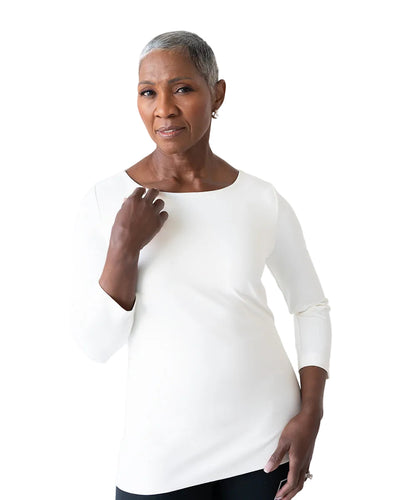
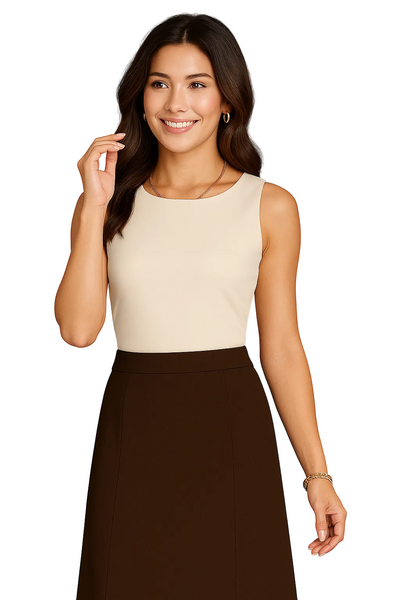
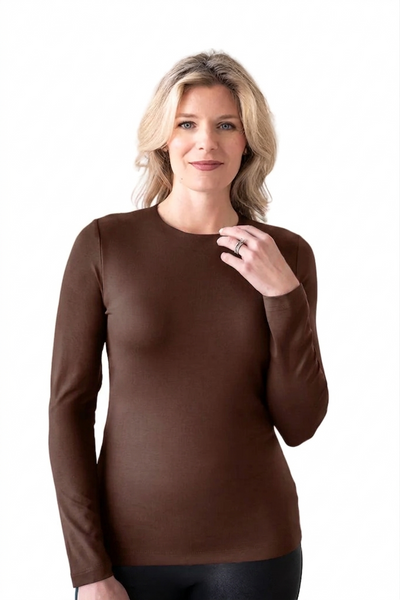
Explore comfortable, versatile tops and dresses that work perfectly for smart casual occasions while keeping you polished and at ease throughout your day.