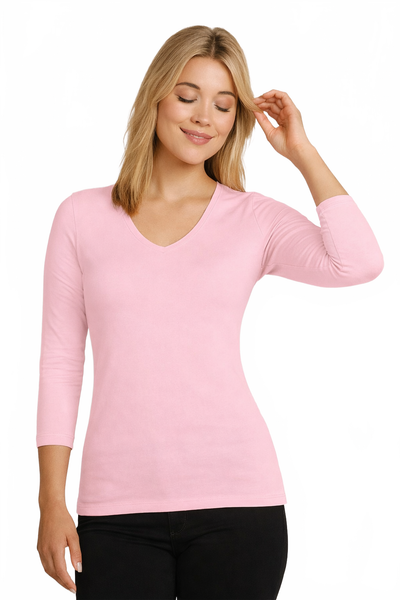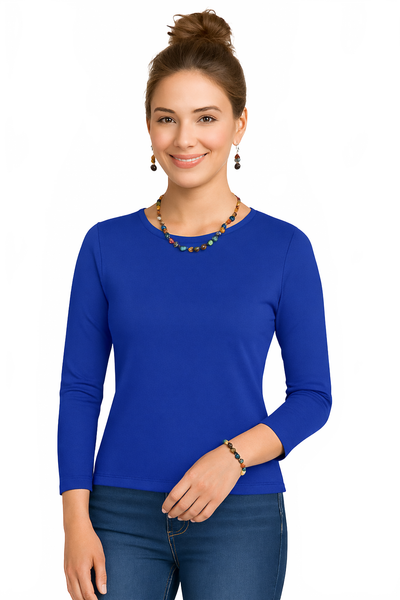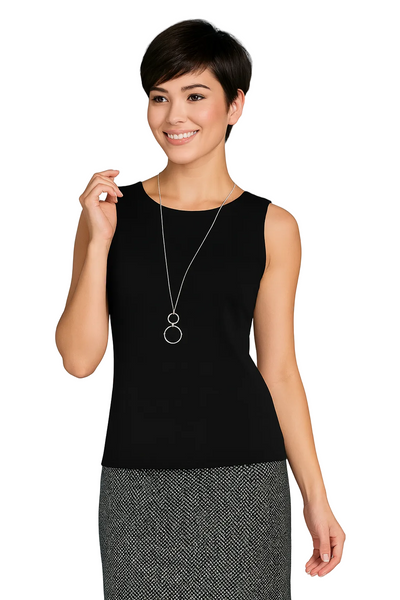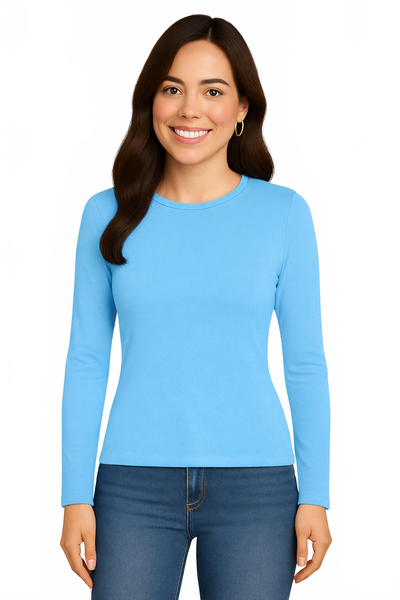

Choosing the best fabrics for travel clothes can make or break a trip. The wrong material means wrinkled tops stuffed in your suitcase, sticky shirts clinging to your skin during layovers, and that frustrating search for an iron at every hotel. The right fabric? It lets you pack light, arrive fresh, and move comfortably from a morning flight to a dinner reservation without changing.
Not all travel-friendly fabrics perform the same way, though. Some excel at moisture-wicking but wrinkle easily. Others resist creasing but trap heat. A few, like the exclusive Tencel fabric we use at JudyP Apparel, manage to check nearly every box: breathable, wrinkle-resistant, ultra-soft, and even UPF 50+ sun protective. We've spent years working with this material and understanding what makes certain fabrics outperform others on the road.
That hands-on experience is exactly what shaped this guide. Below, we break down ten of the best fabric options for travel clothing, covering their strengths, weaknesses, and ideal uses. Whether you're planning a weekend getaway or a three-week international trip, this list will help you build a smarter, more comfortable travel wardrobe, starting with what your clothes are actually made of.
1. Tencel lyocell
Tencel lyocell tops this list of the best fabrics for travel clothes because it genuinely delivers on the promises most fabrics only partially keep. Made from sustainably sourced wood pulp (typically eucalyptus), it produces a soft, smooth fabric that resists wrinkles, breathes well, and feels comfortable against your skin from a morning flight to a late dinner.

Why it works for travel
Tencel lyocell has a naturally smooth fiber structure that resists creasing far better than cotton or linen. When you pull a Tencel top out of a compressed travel bag, it looks presentable without any steaming or ironing. The fabric also manages moisture more efficiently than cotton, pulling sweat away from your skin and releasing it quickly, which keeps you dry during long layovers and warm-weather sightseeing.
Tencel lyocell absorbs moisture roughly 50% more efficiently than cotton, making it one of the most breathable options available for all-day wear.
Best uses and climates
Tencel performs best in warm to moderate climates where breathability is a priority. It layers easily under a jacket in cooler weather without adding bulk. Strong garment choices in Tencel include:
- Tops and tunics for warm-weather travel
- Dresses that work from daytime through evening
- Lightweight layering pieces for transitional weather
What to look for on the label
Look for "Lyocell" or "TENCEL™ Lyocell" on the care label. The TENCEL™ trademark is owned by Lenzing AG, confirming you're getting the genuine fiber and not a lower-quality substitute. Key things to check on the label include:
- "TENCEL™ Lyocell" for verified fiber quality
- Lyocell percentage (higher generally means better drape and breathability)
- Blend details such as spandex for stretch or cotton for added weight
Care tips and watch-outs
Tencel is machine washable on a gentle cycle with cold water, which makes it straightforward to clean during longer trips. Air drying preserves the fabric's softness and shape far better than a dryer will over time. A few watch-outs worth knowing:
- Avoid high heat in the dryer, as it can shrink the fabric
- Skip fabric softener, which coats the fibers and reduces breathability
- Don't wring or twist the garment when it's wet
2. Merino wool
Merino wool earns its place among the best fabrics for travel clothes because of how well it regulates body temperature across changing conditions. The fine, lightweight fibers trap warmth when the air is cool and breathe when you heat up, making a single garment genuinely versatile across multiple climates and destinations.

Why it works for travel
The biggest travel advantage merino has over most fabrics is its natural odor resistance. The fiber structure binds to odor molecules and prevents them from releasing back into the air, which means you can wear a merino top or base layer several times between washes without it becoming unpleasant. That matters a lot when you are carrying one bag for two weeks with limited laundry access.
Merino's odor resistance comes from its fiber structure rather than a chemical treatment, so it doesn't fade over time with repeated washing.
Best uses and climates
Merino works best in cool to cold climates, but it handles transitional weather better than most people expect. Strong use cases include:
- Mountain and hiking trips where temperatures drop at night
- City travel in fall or winter
- Shoulder-season destinations where conditions shift throughout the day
What to look for on the label
Look for "100% Merino Wool" or a high merino percentage in blends. For comfort worn directly against skin, target 18.5 microns or lower, as anything higher can feel scratchy during extended wear.
Care tips and watch-outs
Most merino garments are machine washable on a delicate or wool cycle with cold water. Lay them flat to dry rather than hanging, since hanging stretches the fabric out of shape. Avoid high heat entirely, as merino shrinks noticeably in a hot dryer.
3. Nylon
Nylon has been a staple in travel gear and clothing for decades, and it earns its place on any list of the best fabrics for travel clothes. Its combination of durability and lightweight feel makes it a reliable choice when you need clothes that handle real travel conditions without adding bulk to your bag.
Why it works for travel
Nylon's biggest travel strengths are its resistance to abrasion and its fast-drying properties. The fabric dries significantly faster than cotton after a hand wash or a sudden rainstorm, which matters when you move between destinations without much downtime. It also holds its shape well under compression, so your nylon pieces look reasonably tidy when you pull them out of a stuffed bag.
Nylon dries up to four times faster than cotton, making it one of the most practical choices for travelers who wash clothes in a hotel sink.
Best uses and climates
Nylon performs best for active and outdoor travel where durability and quick-dry performance take priority. Strong uses include:
- Lightweight pants and shorts for hiking or long city walks
- Packable wind layers and rain jackets
- Active travel in humid or rainy climates
What to look for on the label
Look for "100% Nylon" or nylon blended with spandex for added stretch and recovery. Ripstop nylon specifically signals extra tear resistance for outdoor and adventure use.
Care tips and watch-outs
Nylon is machine washable and straightforward to maintain while traveling. Avoid high dryer heat, as it causes the fabric to pill or distort over time. Air drying your nylon garments extends their life considerably and only takes an hour or two.
4. Polyester
Polyester is one of the most widely used synthetic fabrics in travel clothing, and for good reason. It combines durability, affordability, and wrinkle resistance in a package that holds up through repeated use, rough handling, and frequent washing.
Why it works for travel
Polyester's main travel advantage is how little it wrinkles under compression. You can fold a polyester top tightly into a corner of your bag, pull it out three days later, and wear it without any visible creasing. The fabric also dries extremely fast after washing, rivaling nylon for quick-dry performance. For travelers who pack light and rely on sink washes, that speed makes a real difference.
Polyester retains less than 0.4% of its weight in moisture, making it one of the fastest-drying fabrics you can choose for travel.
Best uses and climates
Polyester works well across a wide range of travel scenarios, particularly where durability and low maintenance take priority over luxury feel. Strong uses include:
- Activewear and athletic pieces for high-movement days
- Lightweight layers for cool or unpredictable climates
- Packable travel basics that need to survive heavy use
What to look for on the label
Look for microfiber polyester specifically, as the finer weave feels softer against skin and performs better than standard polyester thread. A polyester-spandex blend adds stretch and recovery, which improves comfort over long travel days.
Care tips and watch-outs
Polyester is machine washable in cold or warm water and resists shrinking reliably. Wash it inside out to reduce pilling, and skip the high heat setting in the dryer, since polyester can warp or lose its shape at elevated temperatures.
5. Modal
Modal sits in an interesting middle ground among the best fabrics for travel clothes: it offers the softness of natural fibers with better wrinkle resistance and durability than standard cotton. Derived from beech tree pulp, modal is a semi-synthetic fiber that drapes beautifully and feels smooth against your skin throughout a full day of travel.
Why it works for travel
Modal resists wrinkles reasonably well and maintains its shape after being packed tightly in a bag. The fiber is also notably soft and lightweight, which means it compresses easily without adding significant weight to your luggage. It handles moisture better than cotton, wicking sweat away from your body so you stay comfortable during active sightseeing or long transit days.
Modal absorbs about 50% more moisture than cotton while remaining lighter and softer, giving it a clear edge for warm-weather travel comfort.
Best uses and climates
Modal performs best in warm or mild climates where breathability is a priority. Strong travel uses include:
- Everyday tops and lightweight dresses for city travel
- Casual layers for warm-weather destinations
- Comfortable pieces for long flights or transit days
What to look for on the label
Look for "Modal" listed as a primary fiber, ideally at 50% or higher in a blend. TENCEL™ Modal from Lenzing AG signals certified quality and consistent performance across multiple washes.
Care tips and watch-outs
Modal is machine washable on a gentle cycle with cold water. Air dry when possible, since high dryer heat weakens the fibers over time and causes shrinkage that affects how your garments fit.
6. Bamboo viscose
Bamboo viscose makes a strong case for inclusion among the best fabrics for travel clothes, particularly for travelers who prioritize softness and breathability over everything else. The fiber comes from bamboo pulp that is processed into a silky, lightweight textile that feels remarkably gentle against your skin.
Why it works for travel
Bamboo viscose breathes well and wicks moisture away from your body efficiently, making it a solid choice for warm destinations or long days of active sightseeing. The fabric also has a natural drape that resists heavy creasing, so your garments come out of your bag looking reasonably presentable without much effort.
Bamboo viscose's moisture-wicking properties keep you noticeably cooler than cotton in warm, humid conditions.
Best uses and climates
This fabric performs best in warm and humid climates where breathability is your top concern. Strong travel uses include:
- Lightweight tops and casual dresses for beach destinations
- Everyday layering pieces for tropical trips
- Comfortable base layers for warm city travel
What to look for on the label
Look for "bamboo viscose" or "bamboo rayon" listed on the care label. A higher bamboo content generally translates to better softness and moisture management, so aim for blends that put bamboo as the primary fiber.
Care tips and watch-outs
Bamboo viscose is best washed on a gentle cycle with cold water to preserve its softness and shape. Air dry your bamboo pieces rather than using a dryer, since heat weakens the fibers over time and leads to shrinkage you will notice after just a few washes.
7. Silk
Silk earns a spot on the list of best fabrics for travel clothes not because it's the most practical option, but because it delivers something synthetic fabrics simply cannot: a natural elegance and smooth feel that makes it ideal for business travel or trips where looking polished actually matters.
Why it works for travel
Silk is naturally lightweight and compresses tightly into your luggage without adding noticeable weight. The protein-based fiber also regulates temperature reasonably well, keeping you cool in warmer air and offering a light layer of insulation when the temperature drops.
Silk is one of the strongest natural fibers by weight, meaning a well-made silk garment can handle travel conditions better than its delicate reputation suggests.
Best uses and climates
Silk performs best in mild to warm climates where breathability can shine without heavy layering. Strong travel uses include:
- Lightweight blouses and scarves for business or formal travel
- Evening pieces that pack flat but look dressed up
- Layering items for climate-controlled flights or hotel dining
What to look for on the label
Look for "100% silk" or a high silk content in blends. Key label details to check include:
- Momme weight between 16 and 22 for durable, travel-worthy fabric
- Charmeuse or habotai weave for smooth drape and a lightweight feel
- Blend details if the garment includes synthetic fibers for added durability
Care tips and watch-outs
Silk requires hand washing in cool water with a gentle detergent, or a delicate machine cycle if your label confirms it is safe. Always air dry flat away from direct sunlight, as heat and UV exposure fade the color and weaken the fibers faster than almost any other fabric on this list.
8. Rayon and viscose blends
Rayon and viscose are the same fiber category by different names, and blends built around them show up frequently among the best fabrics for travel clothes when the goal is a soft, lightweight drape at a lower price point than silk or Tencel. These semi-synthetic fibers come from processed wood pulp and sit comfortably against your skin throughout a long travel day.
Why it works for travel
These blends are notably lightweight and breathable, which makes them a practical choice for warm destinations. The fabric flows and drapes well, so tops and dresses made from it look polished even after a few hours compressed inside your bag.
Rayon-blend garments often weigh less than cotton equivalents, making them a smart pick when you need to keep your carry-on under airline weight limits.
Best uses and climates
Rayon and viscose blends perform best in warm and dry climates where heavy moisture is not a concern. Strong travel uses include:
- Lightweight dresses and loose tops for warm-weather sightseeing
- Casual evening pieces that pack flat
- Resort or beach destination clothing
What to look for on the label
Look for rayon or viscose paired with a stabilizing fiber like polyester or spandex, which improves durability and helps the garment hold its shape across repeated wear and washing.
Care tips and watch-outs
Rayon weakens significantly when wet, so always handle these garments gently during washing. Use a cold gentle cycle or hand wash, and lay them flat to dry rather than wringing or hanging them up.
9. Linen blends
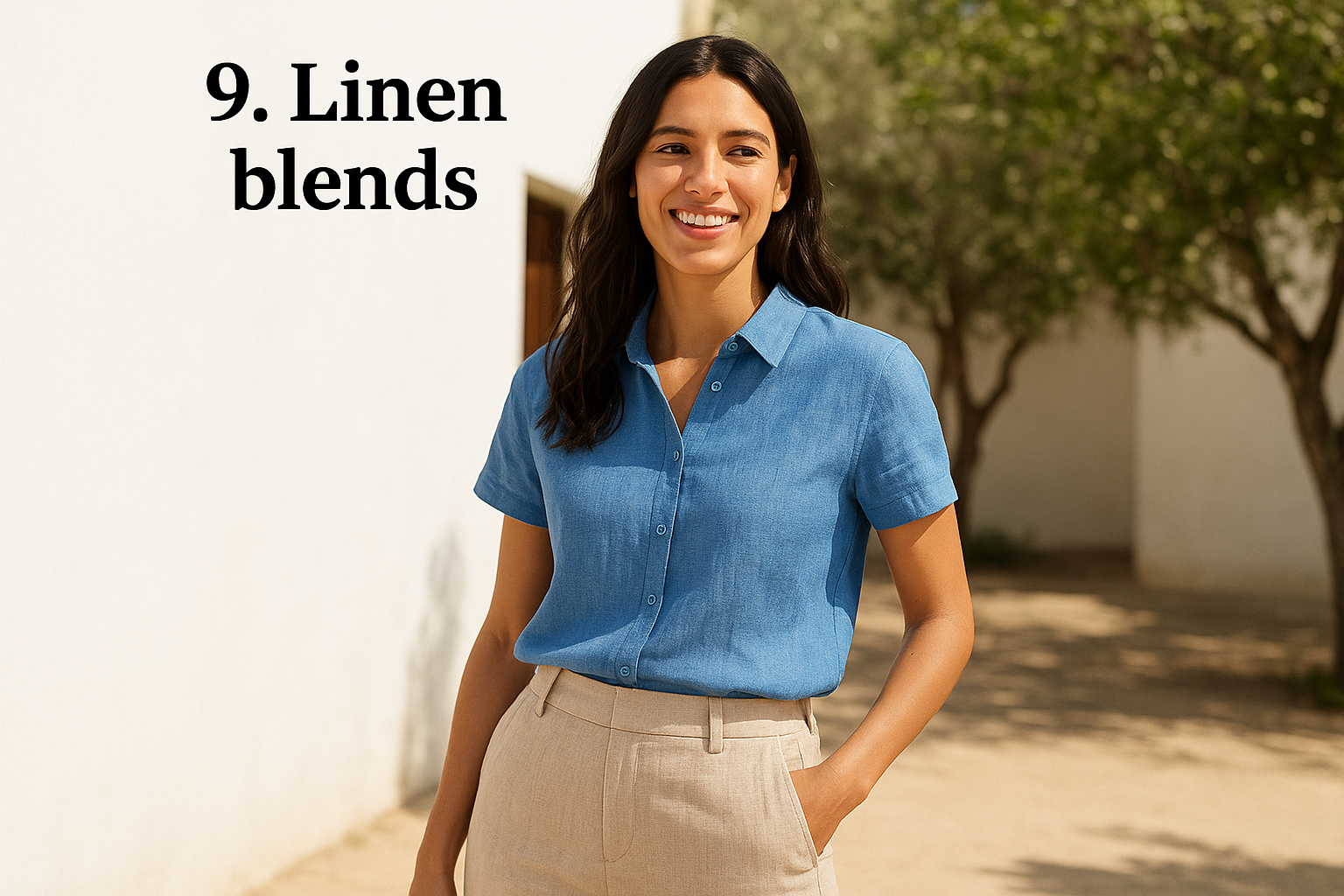
Pure linen is notorious for wrinkling badly, but linen blends fix that problem by pairing linen's natural breathability with synthetic or semi-synthetic fibers. The result lands among the best fabrics for travel clothes when you're heading somewhere warm and want that cool, airy feel without spending half your trip hunting for an iron.
Why it works for travel
Linen blends breathe exceptionally well because the linen component creates natural air circulation between the fabric and your skin. Blending linen with polyester or spandex dramatically improves its wrinkle resistance, so your garments come out of your bag looking far more presentable than pure linen ever would.
Linen's fiber structure makes it up to twice as breathable as cotton in hot weather, which is why it has been used for warm-climate clothing for centuries.
Best uses and climates
Linen blends genuinely shine in hot, dry climates where breathability matters more than anything else. Strong travel uses include:
- Lightweight pants and tops for Mediterranean or desert destinations
- Casual dresses for beach towns or resort trips
- Daytime pieces for warm city sightseeing
What to look for on the label
Look for linen listed as the dominant fiber, ideally at 50% or higher, with polyester or spandex making up the remainder. Key label details worth noting:
- 55/45 linen-poly ratio for balanced breathability and wrinkle resistance
- Spandex content of 2% to 5% for added stretch and recovery
Care tips and watch-outs
Most linen blends are machine washable on a cold gentle cycle without much risk. Air dry your pieces to prevent shrinkage, and avoid wringing the fabric when it's wet, since that stresses the natural fibers and shortens the garment's life noticeably over time.
10. Fleece
Fleece rounds out this list of the best fabrics for travel clothes as the go-to option for cold-weather and layering needs. Made from synthetic polyester fibers, fleece traps warm air close to your body and delivers reliable insulation without the bulk of heavy wool or down alternatives.
Why it works for travel
Fleece is lightweight relative to its warmth output, which makes it a smart pick when you need a mid-layer that compresses into your bag. The fabric also dries quickly after exposure to rain or sweat, so you are not stuck waiting for a heavy wet jacket to dry out before your next day of sightseeing.
Fleece retains roughly 80% of its insulating ability even when damp, giving it a real edge over natural fibers in wet, cold conditions.
Best uses and climates
Your fleece pieces will serve you best in cold or transitional climates where warmth is the priority. Strong travel uses include:
- Mid-layer jackets for mountain or winter destination trips
- Lightweight pullovers for cool evenings at outdoor destinations
- Base layers under waterproof shells in wet and cold weather
What to look for on the label
Look for "microfleece" or "300-weight fleece" depending on how much warmth you need. Microfleece packs smaller and works for mild cold, while 300-weight fleece provides serious insulation for genuinely cold destinations.
Care tips and watch-outs
Fleece is machine washable in cold water and dries fast, making it low maintenance on the road. Wash it inside out to reduce pilling, and skip fabric softener entirely since it clogs the fibers and reduces breathability over time.
Final picks for your next trip
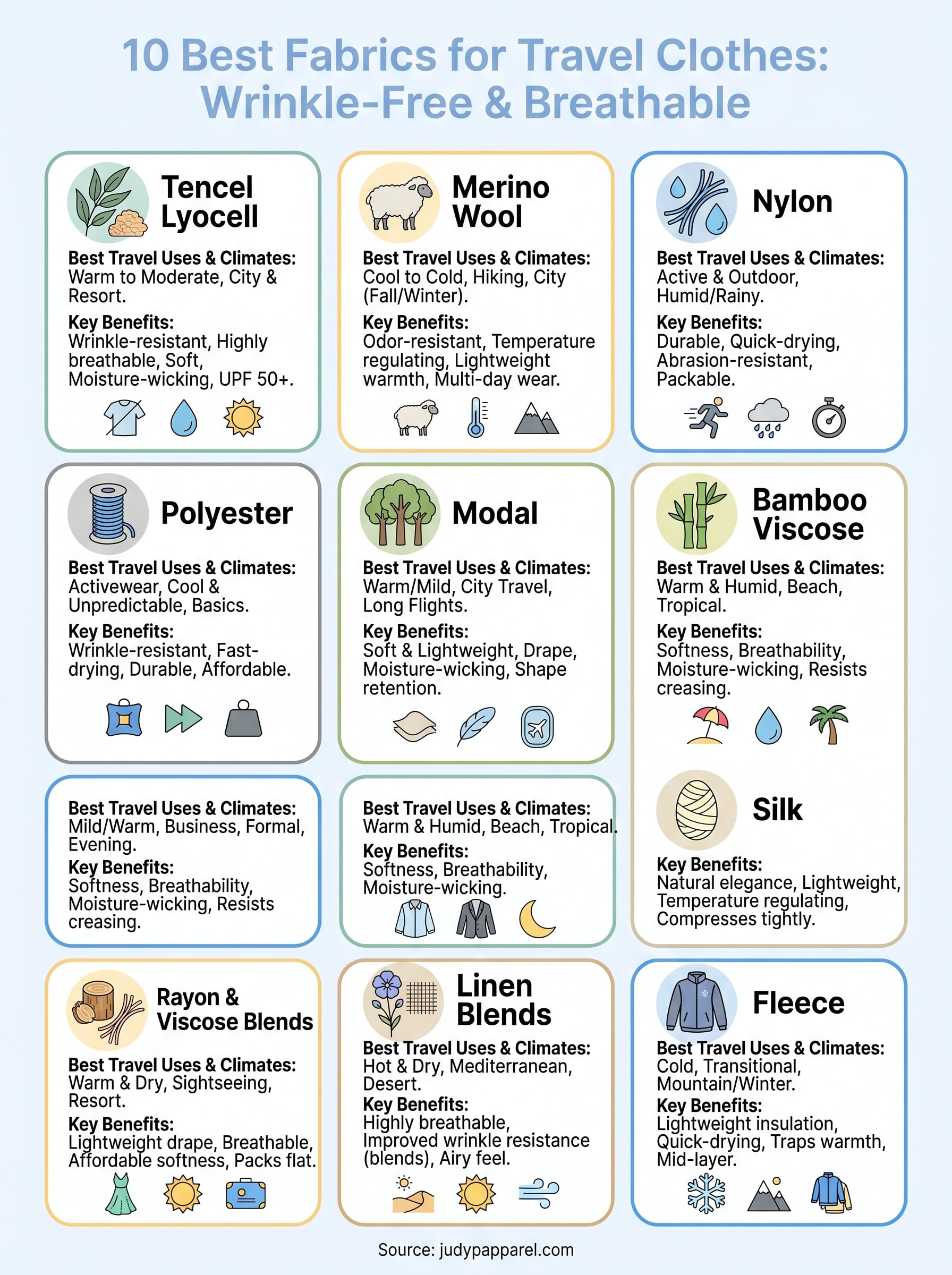
The best fabrics for travel clothes share a few common traits: they resist wrinkles, manage moisture, and pack without protest. Your specific destination and travel style determine which material belongs at the top of your list. Cold-weather trips call for merino wool or fleece, while warm and humid destinations reward breathable options like Tencel lyocell, bamboo viscose, or linen blends.
If you want a single fabric that handles most travel situations well, Tencel lyocell stands out. It wicks moisture, resists creasing, and feels genuinely comfortable from morning sightseeing to an evening out, all without special care instructions on the road.
Your wardrobe should work for you while you travel, not against you. Browse JudyP Apparel's collection of Tencel tops, tunics, and dresses to see how UPF 50+ protection, wrinkle resistance, and American craftsmanship combine in garments built for exactly that kind of real-world versatility.
Upgrade Your Travel Wardrobe with Verified Tencel Performance:
- Arrive crisp and comfortable in the Carole V-Neck 3/4 Sleeve Dress ($140.00).
- Pack light and look sophisticated with the Terry Square Neck 3/4 Sleeve Dress ($147.00).
- Stay fresh on international flights wearing the ultra-breathable Sandra V-Neck 3/4 Sleeve Tunic ($112.00).
- Layer effortlessly across climates using the premium Deborah 3/4 Sleeve V-Neck Top ($94.00).
Recommended Travel Essentials
Carole V-Neck 3/4 Sleeve Dress
$140.00
Terry Square Neck 3/4 Sleeve Dress
$147.00
Sandra V-Neck 3/4 Sleeve Tunic
$112.00
Deborah 3/4 Sleeve V-Neck Top
$94.00